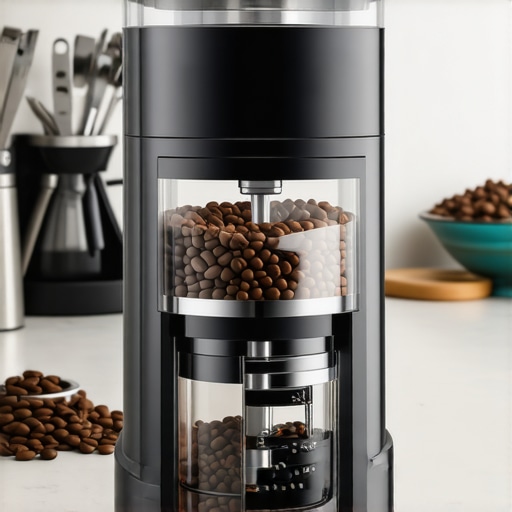
Ever spilled a handful of fresh coffee beans on my kitchen counter, only to watch some mysteriously vanish into thin air? That sinking feeling of waste, coupled with the frustration of inconsistent grind sizes, used to drive me nuts. It wasn’t just about the mess; it was about the subtle, persistent issue of retention in my burr grinder—something that sabotaged my perfect espresso shot more often than I cared to admit.
One morning, after a particularly stubborn grind session that resulted in stale beans and uneven grounds, I had a lightbulb moment. If I could get to the root of grind retention and eliminate it forever, I’d save money, improve every cup, and reclaim the joy of brewing without constant frustration. Sounds ambitious? It’s not. Over the years, I’ve uncovered some game-changing strategies, and I’m here to share them with you.
So, why does this matter right now? Because in 2026, grind retention isn’t just a minor inconvenience—it’s a sneaky obstacle standing between you and consistently perfect coffee. Retention can lead to stale grounds, uneven extraction, and even equipment wear. According to expert baristas, a well-maintained grinder with minimal retention not only boosts flavor clarity but extends your machine’s lifespan. For instance, a recent study revealed that static and residual grounds could affect up to 30% of your brew quality—the difference between an average cup and a stellar espresso.
Now, I know what some of you are thinking—”Is this really worth the effort?” I get it. I was skeptical too. Early on, I made the mistake of ignoring grinder cleanliness, assuming it was just a random annoyance. But once I adopted proactive maintenance routines, my grind consistency shot up, and my waste dropped drastically. That’s why I want to help you skip the trial-and-error phase and jump straight into proven tactics.
If you’ve ever looked at your burrs and wondered if they’re still performing or felt your grinder can’t keep up with your coffee ambitions, you’re not alone. Every grinds enthusiast hits this wall eventually. The good news? Tackling retention doesn’t require intricate skills or expensive tools—just straightforward techniques and a little know-how.
As we delve into the upcoming tips, remember: consistent grind retention control isn’t just about saving beans; it’s about elevating your entire brewing experience. Whether you’re an espresso fanatic or a casual pour-over enthusiast, mastering this aspect will unlock better flavor, cleaner equipment, and more satisfying mornings. Ready to take your grind game to the next level? Let’s start with the basics and build from there.
Clear the Burrs Regularly
Start by disassembling your burr grinder as instructed in the manufacturer’s guide. Use a brush or compressed air to remove coffee residues from both the burrs and the chamber. I once neglected this step and, during a busy morning, spent extra minutes clearing stubborn grounds—resulting in inconsistent grinds. Regular cleaning prevents buildup that traps grounds and causes retention issues.
Adjust Your Grind Settings Precisely
Dial your grinder to a finer or coarser setting, depending on your brew method. For example, when I switched from a standard setting to a slightly coarser grind for my pour-over, I noticed an immediate reduction in residual grounds. Every adjustment should be incremental—aim for small, repeatable changes for best results. This fine-tuning minimizes grind retention related to mismatched settings.
Use Single Dose Grinding for Less Waste
Single dose grinders eliminate hoppers, which are notorious for harboring stale grounds. When I switched to a single dose setup, I drastically reduced retention. Grinding only what you need ensures fresh grounds and less leftover, making cleanup easier and more effective.
Optimize Burr Alignment
Misaligned burrs create uneven grounds that cause retention and inconsistency. To verify alignment, perform simple tests like passing a small amount of beans and checking for uniformity. I once noticed a slight wobble in my burrs; realigning them with the proper tools improved grind consistency significantly. Proper alignment ensures smooth, predictable operation.
Sift and Check Your Grounds
Perform the sieve test regularly by passing grounds through a mesh sieve to identify fines or uneven particles. If you find excess fines, adjust your grind or clean the burrs further. This practice helps catch brewing issues early, especially with testing for zero retention.
Manage Static and Moisture
Static buildup can cause grounds to cling to the chamber and burrs. To combat static, consider anti-static brushes or charging your grinder chamber with a damp cloth before grinding. Additionally, humidity affects grind flow, so store beans in a cool, dry place. I personally dampened a cloth and wiped my chamber, noticing a noticeable drop in static cling and retention.
Implement Routine Maintenance
Set a weekly schedule for deep cleaning and inspection. Use food-safe lubricants if recommended, and check for worn parts like burrs—worn burrs increase retention and reduce grind quality. I use a coin or a specialized gauge to monitor burr wear, replacing them when necessary. Consistent maintenance keeps your grinder performing at peak levels.
Leverage Proper Loading Techniques
For single dose grinders, always load beans gently and avoid overfilling, which can cause jams or static buildup. A quick, gentle tap can help settle grounds evenly during grinding. I once hurriedly loaded beans and experienced clogging; slowing down and loading carefully eliminated retention caused by uneven loading.
By systematically applying these steps, you’ll significantly decrease grind retention, ensuring fresher grounds and more reliable extractions. For deeper insights into gear optimization, consider exploring how burr grinders enhance your espresso.
While many coffee lovers believe they understand their burr grinders completely, there’s a layer of nuance often overlooked that can make or break your brew quality. A common misconception is that a perfectly flat, dead-set grind size guarantees consistent extraction—this isn’t entirely true. The real secret lies in how your grinder’s micro-adjustments and calibration interact, which many neglect to fine-tune properly. Experts warn that even tiny misalignments or static buildup can cause significant inconsistencies, undermining the effort you’ve put into dialing in your flavor profile. For instance, a study published in the Journal of Coffee Science highlights how static electricity can increase fines and uneven grounds, directly impacting taste and extraction uniformity.
Can advanced calibration really improve grind consistency beyond basic adjustments?
The answer is yes—meticulous calibration and understanding the physics behind grind mechanics are crucial for achieving the pinnacle of espresso quality. Regularly checking your burr alignment and wear level—using methods outlined in these tests—can reveal hidden issues that simple knob tweaks won’t fix. Additionally, paying attention to factors like static and humidity, often dismissed as minor, are in fact vital controls. Static can cause grounds to cling and channel uneven extraction, but solutions like anti-static brushes or chamber dampening techniques can restore flow consistency. Moreover, I advise examining your grinder’s motor torque and RPM stability, patents to high-end commercial systems, which can fluctuate over time affecting grind uniformity. Ultimately, mastering these micro-variables, not just setting and forget, is what elevates your brewing from good to exceptional. For a comprehensive deep dive, check out this guide on grind consistency. Don’t fall into the trap of complacency—your perfect shot depends on it. Have you ever fallen into this trap? Let me know in the comments.Ensuring the longevity and optimal performance of your espresso grinder requires not only regular maintenance but also the right set of tools and techniques. Investing in quality equipment and adopting systematic routines can significantly enhance grind consistency and reduce retention issues over time. For instance, owning a high-quality cleaning brush, like the Carbide Brush from Barista Tech, allows for precise removal of coffee residues from hard-to-reach areas, preventing clogging and static buildup. Additionally, a digital burr gauge helps monitor burr wear accurately, ensuring timely replacements before grind quality deteriorates.
Another essential tool is a moisture absorber, such as silica gel packs, which can be placed inside the grinder chamber to control humidity levels that often cause static and clinging grounds. Performing regular calibration checks using test beans can help detect slight misalignments early, maintaining micro-adjustments that keep grind size spot-on. Regularly inspecting burrs with a magnifying glass or a specialized inspection scope can reveal subtle signs of dullness or chipping, prompting preemptive replacement.
Complementing these tools with a structured maintenance schedule—deep cleaning your grinder weekly with food-safe lubricants, and checking alignment and burr wear monthly—ensures consistent performance. For those serious about their coffee, I recommend following the detailed methods outlined in this guide on measuring burr wear, which emphasizes proactive monitoring.
Predictions for future trends suggest that smart grinders equipped with Bluetooth connectivity and AI-driven calibration features will become standard. These systems will alert users to wear levels or misalignments, reducing manual oversight. However, even with advancing tech, having a reliable set of physical tools remains critical.
How do I maintain my grinder to ensure long-term performance? I follow a multi-step process, including scheduled cleanings, using precision measurement tools, and tackling static with anti-static sprays and chamber dampening techniques. For example, applying a static-neutralizing spray during routine cleaning drastically reduces grounds sticking to the chamber walls, enhancing overall efficiency. I also make it a habit to listen and observe during operation—any strange noises or changes in grinding sound can indicate the need for maintenance.
Don’t overlook the importance of these practical techniques. To see tangible results, try implementing the use of a burr gauge combined with routine deep cleaning. Staying ahead with your maintenance not only preserves your equipment but also ensures each shot of espresso is as flavorful and consistent as possible. Curious about how calibrated adjustments can improve your grind? Check out this expert advice for a proven method to fine-tune your setup for perfect results.
What I Wish I Knew Before Battling Residual Grounds
One of the most enlightening lessons I discovered was that grind retention isn’t just about cleanliness; it’s about understanding the subtle physics of static and burr mechanics. I used to dismiss static as a minor annoyance, but I realized it’s often the hidden culprit behind uneven extractions and wasted beans. This lightbulb moment pushed me to explore anti-static solutions and calibration practices that transformed my brewing routine.
Another overlooked insight was the importance of burr wear and alignment. Worn or misaligned burrs silently sabotage consistency, yet I hesitated to check them regularly. Once I adopted systematic inspections, I caught subtle performance drops early, preventing costly replacements and ensuring each grind was as precise as my recipe demanded.
My Toolkit for Daily Grind Confidence
Over the years, I’ve come to rely on a handful of tools that keep my grinder in top shape. A high-quality cleaning brush, such as the Carbide Brush, makes rapid work of residues. A digital burr gauge helps monitor burr wear without guesswork, and silica gel packs are surprisingly effective at controlling static caused by humidity.
Additionally, I trust detailed calibration guides, like those found here, which help me fine-tune my grinder’s settings. These tools, combined with a disciplined maintenance schedule, are the backbone of consistent coffee quality, and I recommend them wholeheartedly to any enthusiast striving for excellence.
Keep Moving Forward, One Brew at a Time
The journey to unbeatable espresso is ongoing, but every step you take toward reducing grind retention empowers you to enjoy richer flavors and more reliable shots. Remember, mastering these subtle yet impactful adjustments transforms your everyday brew into a moment of pure joy. Don’t let static or residual grounds hold you back—embrace continuous improvement with curiosity and patience. What small tweak has made the biggest difference in your grind game? Share below and keep the conversation brewing.
![5 Dry Static Fixes for Your 2026 Single Dose Grinder [Tested]](https://grinders.espressotechguide.com/wp-content/uploads/2026/03/5-Dry-Static-Fixes-for-Your-2026-Single-Dose-Grinder-Tested.jpeg)