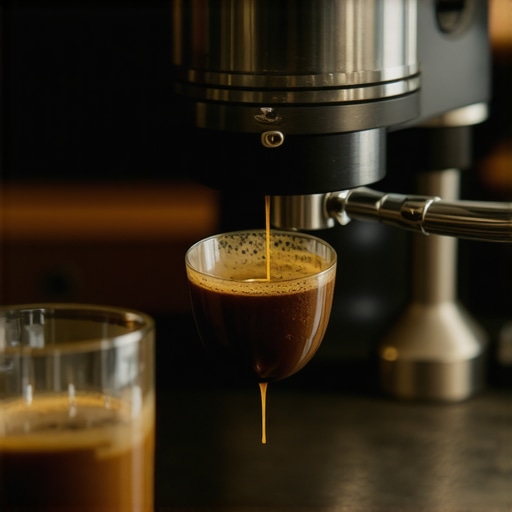
My Personal Journey into the World of Coffee Grind Precision
As a passionate coffee enthusiast, I remember the first time I truly appreciated the importance of grind consistency. It was a chilly Saturday morning when I finally decided to upgrade my equipment after years of subpar espresso shots. I invested in a high-quality single dose grinder, eager to see if it could elevate my brewing game. That moment marked the beginning of my ongoing quest for perfect grind consistency, and I want to share some of my personal insights and practical tips with you.
Why Grind Uniformity Matters More Than You Think
In my experience, achieving consistent grind size is essential for extracting the best flavors from your coffee beans. I used to believe that the quality of the beans alone dictated the final taste, but I learned that even small variations in grind size can drastically alter the espresso’s flavor profile. According to expert baristas, precise grind consistency ensures even extraction, which is crucial for a balanced and flavorful shot (source).
How My Single Dose Grinder Changed My Coffee Routine
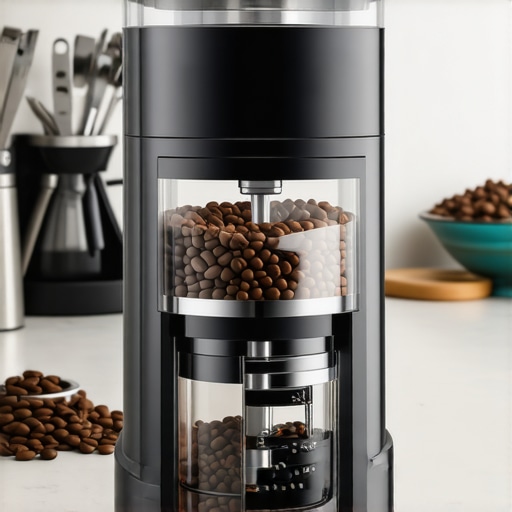
Switching to a single dose grinder was a game-changer. Unlike traditional grinders that hold a large hopper, single dose models allow me to grind only what I need, reducing static and preserving freshness. I found that these grinders, especially when equipped with high-quality burrs, provide remarkably uniform grounds, making my brew more predictable and enjoyable. To maximize grind consistency, I focus on calibrating my grinder regularly and using freshly roasted beans.
What Makes Burr Grinders Superior for Consistency?
Burr grinders, especially flat burr designs, have been my go-to for achieving uniform grounds. They crush beans to a consistent size, unlike blade grinders which can produce uneven particles. For espresso aficionados, I highly recommend exploring the benefits of burr grinders further. For example, the burr vs flat grinder comparison helped me understand which type suits my needs better. Consistent particle size improves extraction and minimizes bitterness or sourness.
Deep Dive: How Do I Keep My Grind Consistent Over Time?
One question I often get is, “How do I maintain grind consistency as my grinder ages?” Honestly, regular cleaning and calibration are key. I also pay close attention to the grinder burrs, replacing them when they show signs of wear. Additionally, I avoid grinding too fast, which can lead to uneven particles. For more detailed techniques, I recommend reading about maximizing grind consistency.
Is It Possible to Achieve Perfection Every Time?
While perfection might be elusive, I believe that with the right equipment, regular maintenance, and a bit of patience, you can get very close. It’s about fine-tuning your grinder and brewing process until you find what works best for your setup. The journey is as rewarding as the perfect shot itself.
If you’ve experienced similar results or have additional tips, I’d love to hear your stories! Feel free to share your insights in the comments or explore more about choosing the best grinder for your needs here.
Refining Your Grind: How Precision Shapes Your Espresso
For any serious coffee enthusiast, understanding the science behind grind consistency is a game-changer. Achieving a uniform particle size isn’t just about aesthetics; it directly influences extraction quality, flavor clarity, and overall espresso balance. Expert baristas emphasize that meticulous control over grind size reduces variability, ensuring each shot is as close to perfect as possible (source).
How Do Burrs Impact Grind Uniformity?
Burr grinders, especially those with flat burrs, are designed to crush beans into consistent particles, unlike blade grinders which chop beans haphazardly. The geometry of burrs ensures that each particle is similar in size, significantly improving extraction reliability. High-quality burrs, like those found in top-tier single dose models, are essential for maintaining this uniformity over time. Regular maintenance, such as cleaning and calibration, preserves burr sharpness and consistency, crucial for expert-level brewing (read more).
Can Advanced Calibration Techniques Elevate Your Coffee?
Absolutely. Precise calibration involves adjusting the grinder to achieve the desired particle size, which can be fine-tuned by experts for specific beans and brewing methods. For instance, some baristas employ digital tools or calibrated test sieves to ensure uniformity before brewing. This level of control helps mitigate the effects of bean origin, roast level, and ambient humidity. If you’re eager to refine this skill, exploring resources like this comprehensive guide can offer invaluable insights.
How Do External Factors Influence Grind Consistency?
Environmental variables such as temperature and humidity can subtly affect grind size and consistency. A humid environment may cause beans to clump, leading to uneven grinding, while temperature fluctuations can alter burr alignment. To combat this, I recommend storing beans properly and maintaining your grinder in a stable environment. Additionally, regular cleaning prevents residue buildup that can impact particle size. An often-overlooked tip is to use freshly roasted beans, as stale beans tend to grind unevenly and produce inconsistent shots (more tips here).
What Are the Practical Steps to Achieve Perfection in Grind Consistency?
While absolute perfection is elusive, experts agree that dedication to routine calibration, maintenance, and understanding your equipment’s nuances bring you closer. Regularly adjusting your grind setting based on shot feedback and employing consistent dosing techniques helps refine your process. For example, using single dose grinders designed for precision can significantly reduce variability. Remember, small improvements compound over time, leading to more reliable and flavorful brews.
If you’ve discovered effective methods or tools that enhance your grind consistency, I invite you to share your experiences. Exploring more about selecting the right grinder can be a valuable next step, and I recommend visiting our contact page for personalized advice or further questions.
Beyond the Basics: Navigating the Nuances of Grind Consistency
As I delved deeper into the art of coffee grinding, I realized that achieving consistent particle size is just the beginning. One of the most subtle yet impactful factors I discovered is the influence of bean origin and roast level on grind behavior. For instance, beans from different regions or roast profiles can respond uniquely to the same grinder settings, challenging my initial assumption that one size fits all. I often find myself adjusting my grinder calibration when switching between light and dark roasts, especially if I want to maintain the same extraction profile. This personalized calibration process, inspired by expert baristas’ techniques (source), has become a vital part of my routine, allowing me to fine-tune the grind for each batch of beans and ensure uniformity across different sessions.
How Do External Conditions and Equipment Wear Influence Consistency?
Environmental factors such as ambient humidity and temperature fluctuations can subtly alter grind quality. I’ve noticed that in humid weather, my beans tend to clump, making the grinding process uneven unless I take extra precautions like pre-drying or storing beans in airtight containers. Moreover, over time, burrs wear down, leading to increased particle size variability. Regularly inspecting and replacing burrs, along with thorough cleaning, ensures that my grinder maintains peak performance. I’ve found that keeping a log of burr wear and calibration adjustments helps me anticipate when maintenance is due, preventing any unexpected drops in grind quality. This ongoing maintenance, rooted in the principles discussed in this resource, has been crucial to preserving my pursuit of perfect consistency.
Can Advanced Calibration Techniques Truly Elevate Your Coffee?
Absolutely. I’ve experimented with digital calibration tools and even custom test sieves to quantify the uniformity of my grounds. These techniques allow me to move beyond subjective adjustments and embrace a data-driven approach to grinder tuning. For example, employing a calibrated sieve set helps me identify the exact particle size distribution, ensuring that each batch meets my strict standards. This meticulous calibration process, although time-consuming, pays dividends in shot consistency and flavor clarity. It’s akin to fine-tuning a musical instrument—small adjustments can profoundly impact the final sound. If you’re eager to push your precision further, exploring comprehensive guides like this one can open new horizons in your brewing journey.
What Personal Strategies Have Helped Me Maintain Consistency Over Time?
Consistency isn’t just about equipment; it’s also about discipline and routine. I’ve adopted a set of personal rituals, such as grinding at the same time each day and using a consistent dose weight. These small habits create a predictable environment that minimizes variability. Additionally, I keep detailed notes on grind settings, bean batches, and shot outcomes, which serve as a reference point for future adjustments. This reflective practice, inspired by seasoned baristas, helps me identify patterns and refine my technique continuously. Sharing this journey with fellow enthusiasts in forums or comment sections has also enriched my understanding, reminding me that mastery is a collective effort. I invite you to share your own experiences or ask questions—perhaps together, we can uncover even more nuanced secrets to perfect grind consistency.
Remember, the pursuit of excellence in coffee is a lifelong journey filled with experimentation, patience, and curiosity. Every adjustment, every calibration, brings you closer to that elusive moment of brewing perfection. Keep exploring, keep tweaking, and most importantly—enjoy every sip along the way.
Unveiling the Subtle Art of Calibration Precision
In my journey toward ultimate coffee mastery, I discovered that calibration is not merely a routine task but a nuanced art requiring meticulous attention to detail. Advanced calibration techniques, such as employing digital tools and custom sieve analysis, have transformed my approach from guesswork to science. These methods enable me to quantify grind uniformity with remarkable accuracy, ensuring each batch aligns perfectly with the desired particle size distribution (more insights here).
The Role of Bean Profile Variability in Grind Optimization
One of the most overlooked factors influencing grind consistency is the inherent variability in bean origin and roast profile. Light roasts tend to be denser, requiring finer adjustments, whereas darker roasts may necessitate coarser settings to achieve optimal extraction. Personally, I keep a detailed log of each bean batch, adjusting my grinder calibration accordingly. This practice echoes the insights of seasoned baristas who emphasize tailored calibration as essential for maintaining uniformity across diverse beans (detailed techniques here).
External Environmental Influences and Their Mitigation Strategies
Environmental factors, such as ambient humidity and temperature, subtly impact grind performance. High humidity can cause beans to clump and alter grind particle size, while temperature fluctuations may affect burr alignment. To counteract these effects, I store my beans in airtight containers and calibrate my grinder more frequently during seasonal changes. Regular maintenance, including cleaning burrs and verifying calibration, is vital for sustained consistency. Recognizing these external influences helps me refine my routine, ensuring each shot remains on point regardless of external conditions.
How Can I Leverage Data-Driven Calibration for Consistent Results?
Integrating data-driven methods, such as using calibrated sieves and digital measurement tools, has been a game-changer. By analyzing the particle size distribution of my grounds, I can make precise adjustments rather than relying on subjective judgment. This approach, supported by research from industry experts, elevates my brewing precision and consistency. If you’re interested in adopting similar techniques, I recommend exploring specialized calibration kits or software that facilitate this process (learn more here).
Refining Routine Rituals to Ensure Long-Term Consistency
Beyond technical adjustments, establishing disciplined routines has profoundly impacted my consistency. Grinding at the same time daily, maintaining a detailed log of settings, and performing scheduled maintenance have become my pillars of reliability. These routines create a stable environment, minimizing variability caused by human factors. Sharing this disciplined approach with fellow enthusiasts has reinforced my commitment, fostering continuous improvement. I encourage you to develop your own routines, tailored to your equipment and beans, to elevate your brewing craft.
Engage and Elevate Your Coffee Journey
If you’re eager to delve deeper into advanced calibration techniques or share your own experiences, I invite you to connect and exchange insights. The pursuit of perfect grind consistency is an ongoing voyage, filled with experimentation and discovery. Embarking on this path with curiosity and dedication will undoubtedly bring you closer to that elusive moment of espresso perfection. For personalized advice and advanced resources, don’t hesitate to reach out via our contact page. Happy brewing!
Things I Wish I Knew Earlier (or You Might Find Surprising)
The Subtle Power of Burrs
When I first started my coffee journey, I underestimated how much burr quality impacts grind consistency. Upgrading to high-quality burrs transformed my brewing results, making each shot more predictable and flavorful. It’s like fine-tuning an instrument—small improvements lead to big gains.
Temperature and Humidity Are Not Just Background Noise
Initially, I ignored environmental factors, but I soon realized that ambient temperature and humidity can subtly throw off grind uniformity. Storing beans properly and timing my grinding routines helped me keep things on track, even during seasonal changes.
Consistency is a Habit, Not Just Equipment
Developing routines—like grinding at the same time daily and logging settings—became crucial for me. It’s about creating a stable environment where variables are minimized, and your skill can shine through.
Data-Driven Calibration Is a Game Changer
Using digital tools and test sieves to measure particle size distribution took my calibration to the next level. Moving away from guesswork enabled me to replicate results with confidence and precision.
Bean Origin Demands Personal Calibration
Different beans react uniquely depending on their origin and roast level. Adjusting my grinder settings for each batch became a ritual that improved consistency and flavor, reminding me that there’s no one-size-fits-all in coffee.
Patience Over Perfection
Finally, I learned to embrace patience. Perfection is a moving target, but consistent effort, routine maintenance, and curiosity keep me progressing—each cup better than the last.
Resources I’ve Come to Trust Over Time
- Mastering Grind Consistency from Coffee Expert Baristas: This article deepened my understanding of grind uniformity and its impact on flavor. I recommend it to anyone serious about brewing.
- Choosing the Best Single Dose Grinder for Precise Coffee Tasting: An invaluable guide for selecting equipment tailored for consistency, which I found very practical.
- Contact Page at Grinders Espresso Guide: When I needed personalized advice, reaching out here provided tailored solutions and encouragement.
- Top 5 Coffee Burr Grinders for Perfectly Uniform Grounds: This list helped me identify reliable models that deliver consistent particle size over time.
Parting Thoughts from My Perspective
Achieving perfect coffee grind consistency is a journey worth pursuing, blending science, routine, and a dash of patience. From choosing quality burrs to understanding environmental influences, every step brings your brew closer to excellence. If this resonated with you, I’d love to hear your thoughts—sharing experiences helps us all improve. Feel free to drop your insights or questions in the comments, and happy brewing!
![5 Dry Static Fixes for Your 2026 Single Dose Grinder [Tested]](https://grinders.espressotechguide.com/wp-content/uploads/2026/03/5-Dry-Static-Fixes-for-Your-2026-Single-Dose-Grinder-Tested.jpeg)
2 responses to “How to Achieve Perfect Grind Consistency with Espresso & Single Dose Grinders”
Reading through the author’s journey really resonated with me, especially the emphasis on regular maintenance and calibration. I recently upgraded to a single dose grinder, and the difference in grind uniformity was immediately noticeable. However, I’ve found that environmental factors like humidity can still throw off my consistency during the summer months. Storing beans in airtight containers and scheduling regular cleanings has helped, but I’m curious how others in humid climates fine-tune their grinders to maintain the perfect grind? Do you use specific tools or techniques to ensure stability in such conditions? Also, I’ve started experimenting with digital calibration tools, and they’ve been a game-changer in achieving repeatable results. Would love to hear if anyone has tips on integrating these tools into daily routines effectively. Mastering these small details seems to make all the difference in pulling that consistently flavorful shot, don’t you think? Would be great to exchange ideas and learn from different setups.
Reading through the author’s journey really hit home for me, especially regarding the significance of calibration and routine maintenance. I switched to a single dose grinder about six months ago, and the improvement in grind consistency has truly elevated my espresso quality. One thing I’ve learned is that environmental factors, especially in a humid climate like mine here in New Orleans, can really challenge consistency. I’ve started storing my beans in airtight containers, but I wonder if others have found particular methods or tools that help bridge this gap during humidity spikes? Also, I’ve been exploring digital calibration tools, which have been incredibly useful for quick, precise adjustments. Do any fellow enthusiasts have tips on seamlessly integrating these tools into a daily grind routine without adding too much complexity? I’ve found that small, consistent tweaks, combined with monitoring environmental conditions, go a long way in maintaining that perfect shot. Would love to hear more about everyone’s strategies for battling external influences on grind quality and any recommended calibration techniques—sharing these insights helps us all refine our craft.