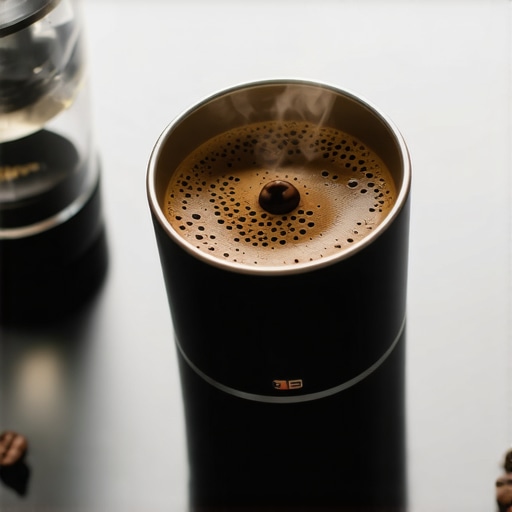
It was a cold Saturday morning when I finally hit a wall with my espresso making. After countless attempts, I’d still end up with inconsistent grounds—sometimes perfect, mostly frustrating. I remember staring at my grinder, feeling like I was chasing a ghost. That moment of frustration led to a lightbulb: fine-tuning my grind wasn’t enough. I needed a better grinder—something that could deliver consistent particle size and preserve the flavor I craved. If you’ve ever faced the same struggle, you know how disheartening it can be to see your carefully brewed espresso turn out flat or bitter despite your best efforts.
Unlocking the Truth About Consistency and Flavor in Your Coffee
In my quest for the perfect shot, I learned that grind consistency plays a bigger role than I initially realized. A high-quality espresso grinder isn’t just about speed or convenience; it’s about achieving an even grind that extracts uniformly. This ensures each sip captures the full aroma and nuanced flavors of your beans. Over time, I discovered tools and techniques that turned my mediocre mornings into moments of genuine delight. Want to elevate your at-home espresso game? It starts with choosing the right grinder, and I’ll guide you through the key factors that make all the difference.
Are You Falling For the Hype or Seeing Real Results?
Early on, I made the mistake of settling for cheap, inconsistent grinders, thinking all burrs were created equal. Spoiler alert: they’re not. A solid burr grinder can turn your espresso from a disappointing rinse into a rich, velvety experience. Interestingly, studies show that the quality of your grinder can influence coffee flavor more than the method of brewing itself (source: Espresso Tech Guide). If you’ve ever questioned whether investing in high-end equipment is worth it, you’re not alone. I want to help you avoid the pitfalls I fell into, so you can enjoy consistent, flavorful espresso every morning.
So, what’s next? Let’s explore how you can identify the best grinder for your needs and start transforming your coffee routine today. Stay tuned for insights, tips, and personal recommendations that will make all the difference in your brewing journey.
Start with a Single-Dose Grinder for Precision
Select a single-dose grinder that allows you to grind just the amount needed, minimizing beans’ exposure to air and moisture. This approach ensures fresher grounds and reduces variability. I once switched to a single-dose setup, and immediately noticed more uniform grounds, leading to a more balanced extraction. For recommendations, check this guide to single-dose grinders.
Use Burr Grinders Over Blade for Uniformity
Burr grinders crush beans between two burrs, producing a consistent particle size critical for espresso. I experimented with a blade grinder initially, but the inconsistency caused uneven extraction. Swapping to a flat burr grinder, I achieved grounds with a much tighter size distribution. Think of burrs as a cheese grater—you’re aiming for uniform shreds—versus a blender, which makes inconsistent particles. Dive into the ultimate guide on espresso grinders for details.
Fine-Tune Your Grind Settings Methodically
Adjust grinder settings gradually, noting the impact on extraction time and flavor. I kept a log: every small tweak observed, so I could replicate the best results. Remember, even a slight change can alter extraction—think of it as tuning a musical instrument. Regularly calibrate your grinder using a scale to measure grind size consistency, and consider grinding a small batch to test before full pulls. Consult tips from expert baristas for precise calibration techniques.
Distribute Grounds Evenly in the Portafilter
After grinding, distribute grounds evenly and tamp with consistent pressure to avoid channeling. I used a distribution tool to level the coffee, which eliminated uneven extraction spots. This step ensures water flows uniformly through all grounds, extracting flavor consistently. Visualize the grounds as a packed snowball—compact but evenly shaped—so water evenly penetrates. Proper distribution can be the difference between a flat shot and a vibrant one. Learn more about tamping techniques at tamp and distribution tips.
Maintain Your Equipment for Reliable Results
Regular cleaning prevents oil buildup and stale residues that can compromise grind quality. I schedule weekly cleanings, dismantling parts and using a brush and cleaner. Consistent maintenance preserves burr sharpness, keeping particle size uniform. Think of your grinder as a precision tool—neglect leads to degradation, just like dull scissors. Implement a cleaning routine based on usage and follow manufacturer instructions. For comprehensive guidance, visit maintenance and cleaning best practices.
While many coffee enthusiasts focus on choosing a high-quality burr grinder or fine-tuning grind settings, there’s a common misconception that could be holding you back from truly optimizing your espresso. Many believe that simply investing in a single-dose grinder or a top-tier burr setup guarantees perfect results. However, the real secret lies in understanding the nuanced factors that influence grind consistency and flavor extraction. For example, some assume that burr grinders are inherently better than blade grinders, but the reality is more complex; the quality of burr design and calibration matters far more than the basic classification. In fact, studies indicate that inconsistent burr alignment or worn surfaces can dramatically degrade grind uniformity, regardless of brand or price point (source: Expert Insights on Burr Maintenance).
One major trap to watch out for is the overconfidence in grind size adjustment alone. Many coffee lovers think that small tweaks in grind settings will always lead to perfect extraction, but this overlooks the importance of particle shape, distribution, and how grounds are distributed in the portafilter. An advanced barista knows that particle shape—often overlooked in consumer-grade equipment—affects flow rate and extraction consistency. Achieving a true mastery requires more than just setting the dial; it involves regular calibration, meticulous distribution, and understanding how each batch of beans responds to different grind environments.
In addition, there’s a prevailing myth that single dose grinders automatically produce better espresso because they minimize oxygen exposure or bean degradation. While this is partly true, it’s a simplifying assumption. Without proper maintenance, even a premium single-dose grinder can become inconsistent. Worn burrs, buildup of oils, and improper calibration can all sabotage your efforts, leading to uneven grounds and bitter or flat shots. This is why regular maintenance is critical—many overlook this important step, assuming that their equipment will stay optimal without it.
Advanced users often ask, ‘How can I precisely control grind distribution for optimal extraction?’ The answer is a combination of consistent tamping, distribution tools, and knowing your grinder’s sweet spots. Investing time in mastering these nuances can elevate your espresso from good to exceptional. For guidance on achieving this level of control, check out this comprehensive guide.
Are you falling prey to these common misconceptions? Remember, true expertise involves understanding that equipment is only part of the equation—mindful technique and maintenance are equally vital. So, before you purchase the next grinder or tweak your settings, take a moment to evaluate how well you’re managing these hidden details. Have you ever fallen into this trap? Let me know in the comments.Even the best single-dose espresso grinder needs regular upkeep to perform at its peak. I personally schedule a thorough cleaning every 2-3 weeks, dismantling the hopper and burrs to remove accumulated oils and coffee residues that can cause uneven grind sizes. Using a dedicated grinder brush and a food-safe cleaner, I scrub the burrs and chute, ensuring no buildup hinders particle uniformity. To keep my grinder calibrated, I conduct monthly grind tests using a digital scale and adjust settings as needed, especially when switching between different bean types or roast levels. This consistent routine not only maintains grind consistency but prolongs the lifespan of the equipment.
Looking ahead, as technology advances, integrated cleaning systems with automated burr alignment and self-calibration features are likely to become standard, simplifying maintenance even further. Staying proactive about these innovations will help you sustain high-quality extraction over years, rather than months.
### How do I maintain my grinder over time?
The key is developing a routine that includes regular cleaning, calibration, and mindful handling of beans. I recommend setting reminders to perform deep cleans and to check calibration levels, especially after big batches or if you notice a decline in ground uniformity. For detailed guidance, I follow techniques outlined in this comprehensive resource. Implementing these steps has made a significant difference in the longevity and performance of my grinder.
A practical tip: try using a calibration disc to measure particle size distribution periodically. This may sound technical, but it ensures your grind remains within optimal parameters. Incorporate this practice into your routine, and you’ll notice more consistent shots and extracted flavors. Ready to take your maintenance to the next level? Start with a deep clean this weekend—your espresso will thank you.
Why I Stopped Chasing Perfect Grounds and Started Focusing on the Details That Matter
One of the most eye-opening lessons I’ve learned is that achieving stellar espresso is less about chasing the perfect grind setting and more about understanding how every small detail impacts your brew. From calibration to distribution, these nuances can make or break your experience, and realizing this shifted my entire approach.
The Lightbulb Moment That Changed My Coffee Routine Forever
During a particularly frustrating morning, I finally understood that regular maintenance and attention to grind consistency would unlock the flavor potential of my beans. Investing in a quality burr grinder and developing a routine for calibration and cleaning transformed not just my espresso, but my appreciation for the craft. It’s a reminder that even the best equipment needs proper care to perform at its peak.
How Personal Experience Can Reveal Strategies No Guide Tells You
Reading reviews and tutorials can help, but nothing substitutes for hands-on experimentation. I discovered that small adjustments, like tamping pressure or distribution techniques, had a profound effect on extraction. These insights came from trial and error, guided by a deeper understanding of how grounds behave—an approach I highly recommend for anyone serious about elevating their coffee game.
Layered Approach to Grind Consistency You Can Trust
It’s tempting to think that just dialing your grinder will get you perfect grounds, but true consistency involves multiple layers—regular calibration, using the right tools, and understanding bean variety. Embracing this layered strategy has led me to more predictable and delicious espresso shots. For comprehensive tips, check out the ultimate guide to grind consistency—it’s been a game-changer.
Resources That Helped Me Achieve Greater Precision
Over the years, I’ve relied on a few select resources that genuinely expanded my understanding. Top burr grinders provided reliable foundations, while barista secrets helped me master tamping and distribution techniques. These tools and insights continue to elevate my espresso experience.
Your Next Step to Coffee Mastery
Now that I’ve shared some of my essential lessons, I encourage you to identify your own bottlenecks—whether it’s calibration, cleaning, or technique. Remember, consistent and flavorful espresso isn’t just about equipment; it’s about understanding and respecting the intricacies involved. Take action today: schedule a deep clean or experiment with grind adjustment steps. Your taste buds will thank you!
![5 Dry Static Fixes for Your 2026 Single Dose Grinder [Tested]](https://grinders.espressotechguide.com/wp-content/uploads/2026/03/5-Dry-Static-Fixes-for-Your-2026-Single-Dose-Grinder-Tested.jpeg)