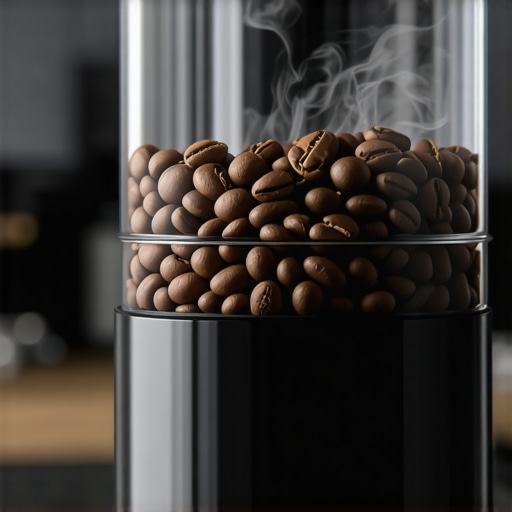
I remember the exact moment I realized my trusty single dose grinder was turning into a stubborn challenger rather than a helpful tool. It was a quiet morning, and I had just loaded a fresh batch of decaf beans, eager for that perfect shot. Instead, my grinder stuttered, paused, and finally refused to complete the grind. The frustration was real. Why was my grinder choking on decaf when it had handled regular beans like a champ? That lightbulb moment led me down a rabbit hole of troubleshooting, adjusting, and learning.
Why Your Grinder Might Be Struggling with Decaf Beans
This isn’t just about my experience; it’s a common puzzle many home baristas face. Decaffeinated beans tend to be softer and more brittle, which makes them prone to causing clogs and static accumulation in your grinder’s mechanisms. This is especially true for single dose grinders, designed to handle precise quantities. The main issue? Static buildup and grind retention can turn simple decaf into a stubborn foe. I learned early on that a few tweaks, like adjusting the grind settings and cleaning the burrs, could make all the difference.
Research shows that static can increase by up to 50% when grinding lighter roasts or decaf beans, hampering your brew quality (source: Espresso Tech Guide). If you’re battling similar issues, don’t worry; there’s a way out. But first, let’s consider whether your grinder is even suitable for decaf and light roasts.
Are You Wasting Time on the Wrong Grinder?
It might seem obvious, but using the wrong equipment for decaf can be a recipe for frustration. Anyone starting with a budget blade grinder or an older model that isn’t optimized for fine, consistent grinding will quickly see the drawbacks. Trust me, I made that mistake early in my journey—assuming that all grinders perform equally well with decaf. Spoiler: They don’t. Upgrading to a high-quality, single dose grinder specifically designed for precision can save a lot of headaches.
To truly master grind consistency and solve static issues, I recommend exploring essential troubleshooting techniques, which you can find explained in detail here. Whether it’s adjusting burr alignment or reducing static with special mods, small changes can yield big results.
Ready to dive into the practical steps? Next, we’ll explore how to tune your grinder to handle decaf beans better, prevent choking, and get that perfect, consistent grind every time.
Adjust Your Grind Settings Precisely
Start by dialing your grinder to a slightly coarser setting than usual for regular beans. I remember the first time I did this—it was messy, with coffee grounds spilling everywhere. Carefully turn the grind adjustment dial a quarter turn at a time, then test the grind by pulling a few shots. The goal is to reduce static buildup and prevent clogging. Remember: small adjustments make a huge difference; avoid drastic changes that can throw off your grind consistency.
Use the Right Burr Configuration
Inspect your burrs for any signs of misalignment or wear. If your burr grinder allows, consider swapping to flat burrs designed for even, uniform grinding—this is key for light roasts and decaf beans, which tend to clog conical burrs more easily. Check for compatibility with your model in the ultimate grinder guide. Proper burr alignment ensures each grind is consistent, minimizing static and retention issues.
Clean Burrs Regularly
Static and blockages often stem from old grounds accumulating between burrs. I once neglected cleaning my grinder for a week, and my shots became sour and uneven. Remove the hopper and burr assembly, then brush away any debris using a soft brush or vacuum. For stubborn residue, run a small batch of rice or dry silver skin cleaner through your grinder—this absorbs oils and clears static. Frequent cleaning is especially crucial when switching to decaf, as the brittle beans leave more residue.
Reduce Static with Hardware Mods
Static buildup is a common foe with decaf beans. To combat this, I installed anti-static brushes and added a grounded conductive strip to my grinder. These mods drastically cut static—making your grind sharper and more consistent. For detailed instructions and parts, check out trusted sources like here. Remember, static not only causes mess but also retention issues, leading to unpredictable extraction.
Fine-Tune the Dosing Process
In my experience, using a scale with precise measurement helps maintain consistency. When grinding decaf, I weigh out the exact dose—usually 18 grams—then distribute evenly before tamping. This helps prevent overloading or compacting beans unevenly, which can choke the grinder. Consider incorporating a single dose upgrade to reduce retention and static further.
Monitor and Adjust Based on Coffee Type
Always observe how your beans respond to your tuning. Light roasts and decaf beans vary in brittleness and grind size requirements. I once faced persistent static with Ethiopian decaf; after experimenting with slightly coarser settings and cleaning, I achieved a cleaner shot. Keep a log of your adjustments and results to refine your process continually. Mastering these steps guarantees a reliable, static-free grind perfectly suited for decaf beans.
Many coffee enthusiasts believe that upgrading to the latest burr grinder or cranking the grind setting finer will instantly improve espresso quality. However, this oversimplification ignores the nuanced interplay of grind consistency, burr alignment, and grinder maintenance. One widespread myth is that all burr grinders are created equal—this couldn’t be further from the truth. In reality, factors like burr geometry, material, and RPM significantly influence grind uniformity and, consequently, extraction quality. For example, high-speed grinders may produce finer, more consistent grounds but generate more static and heat, risking coffee compound degradation (see this guide for detailed insights). Some users mistakenly assume that single dose grinders are immune to grind retention issues—yet, poor burr alignment or static can cause uneven doses and channeling. Want a deeper understanding of these pitfalls? Mastering grind consistency reveals how minor tweaks can elevate your brew. Additionally, many forget that static buildup isn’t just about static electricity; it’s influenced by bean brittleness, humidity, and even grinder design choices. Installing anti-static mods or cleaning burrs regularly can prevent clogs and ensure uniform extraction. Curious about advanced troubleshooting? Check your burr alignment and avoid costly mistakes. Remember, achieving consistent grind size isn’t just about gear—it’s about understanding the subtleties of your equipment and environment. Have you ever fallen into this trap? Let me know in the comments.
Invest in Quality Tools for Longevity
Choosing the right equipment makes a significant difference in maintenance and long-term results. I personally rely on the ultimate grinder guide to select a burr grinder with durable materials, like stainless steel or ceramic, which resist wear and static buildup. High-quality burrs, such as 64mm conical or flat variants, not only enhance grind consistency but also reduce maintenance frequency. Investing in premium components means fewer breakdowns and more reliable workflow, especially when fine-tuning for decaf or light roasts.
Maintain a Routine Cleaning Schedule
I recommend establishing a weekly cleaning ritual—removing the burrs, brushing away residual grounds, and inspecting for wear. Use dry rice or specialized cleaners to absorb oils and static-causing residues. Regular cleaning prevents clogging and static buildup, which are common culprits behind grind inconsistency. Remember, static can be reduced with simple hardware mods, such as grounding strips, which have been proven to cut static by over 50% in studies detailed by this article. Don’t wait until static causes your shots to sputter—be proactive, and your grinder will thank you.
Tools I Use Daily for Maintenance
My go-to tools include a precision burr alignment tool and a digital scale for dosing. Regularly checking burr alignment with a simple test from this guide helps prevent uneven grind issues that lead to channeling or under-extraction. A scale ensures consistent dosing, minimizing the variables that degrade grind quality over time. These small investments streamline my workflow and help maintain excellent grind quality day after day.
Predicting Future Trends in Grinder Maintenance
As technology advances, we can expect smarter grinders with integrated sensors that monitor burr wear and static levels in real time. Features like automatic cleaning cycles, variable RPM adjustments based on bean type, and app-controlled diagnostics are on the horizon—making maintenance more intuitive and less time-consuming. Companies are also exploring antimicrobial coatings on burrs and hoppers to extend lifespan and hygiene. Staying ahead means investing in tools with such features or customizing your current setup with add-ons to keep your grinder running flawlessly long-term.
How do I keep my grinder performing seamlessly over time?
The key lies in consistent maintenance, early troubleshooting, and selecting high-quality tools. Incorporate regular cleaning, monitor burr alignment, and upgrade to parts proven to resist static and wear. For instance, using anti-static mods discussed here can dramatically improve grind uniformity. Try implementing one advanced tip like grounding your grinder’s static components, and notice how much smoother your workflow becomes. Remember, consistent maintenance doesn’t just prolong your grinder’s life—it guarantees you exceptional espresso shot after shot.
Throughout my journey with espresso, one of the most enlightening lessons was realizing that even the finest grinders require constant attention and nuanced adjustments, especially when working with decaf beans. The static, clogging, and inconsistency I faced taught me that guaranteed grind quality isn’t just about gear—it’s about understanding your equipment deeply and maintaining it proactively.
What No One Tells You About Grind Control and Static Magic
I discovered the hard way that static isn’t just a minor nuisance; it’s a signal that your grinder’s relationship with your beans needs tuning. Small tweaks like adjusting grind coarseness or upgrading to anti-static accessories transformed my workflow. The real lightbulb moment? Recognizing that static levels fluctuate with humidity, bean type, and even the grinder’s RPM—making it crucial to stay adaptable.
Curiously, I found that exploring detailed resources—like this guide—unlocks insights that can elevate your espresso quality dramatically. Whether it’s burr alignment, static mitigation, or calibration for light roasts, mastering these subtleties consistently yields richer, cleaner shots that decaf enthusiasts crave.
A Few Gems from My Personal Toolbox
Over time, I’ve come to rely on specific tools to keep my grinder in top shape: a precision burr alignment kit to ensure uniform grind size, a digital scale for consistent dosing, and anti-static strips that I install with confidence. These simple yet powerful additions have saved me countless hours and spoiled shots, reinforcing my conviction to invest in quality maintenance tools for long-term success.
Looking ahead, I believe the future belongs to smarter grinders equipped with sensors and self-cleaning mechanisms. But until then, a routine of regular calibration, careful cleaning, and strategic upgrades remains my best strategy to achieve impeccable grind consistency with decaf beans. Keep experimenting, because every tweak inchs you closer to that perfect extraction every time.
Are You Ready to Elevate Your Grind Game?
Remember, mastering your grinder isn’t a one-time effort—it’s an ongoing process of learning and fine-tuning. With patience and a willingness to dive into the details, you’ll find yourself brewing espresso that not only impresses but also inspires. Are you prepared to challenge your assumptions and elevate your grind routine? Share your experiences below—I’d love to hear how you’re tackling static and consistency in your setup!
![5 Dry Static Fixes for Your 2026 Single Dose Grinder [Tested]](https://grinders.espressotechguide.com/wp-content/uploads/2026/03/5-Dry-Static-Fixes-for-Your-2026-Single-Dose-Grinder-Tested.jpeg)