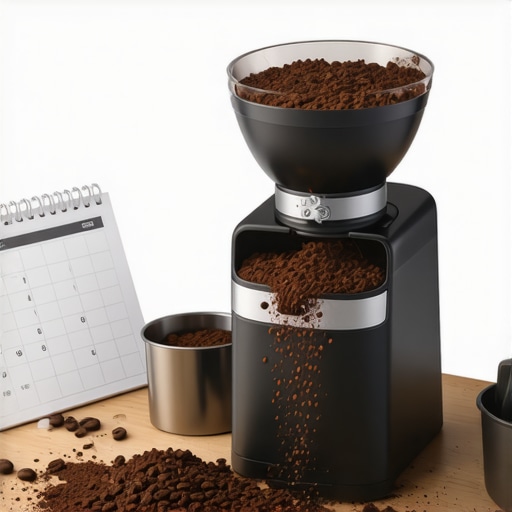
It hit me like a punch in the gut—the kind of frustration that ruins your morning ritual. I was dialing in my espresso, confident I had the perfect grind, only to end up with a shot that’s sour, bitter, or just downright off. That moment of realization made me wonder: why is achieving consistent grind size so elusive, even with high-end grinders? I’ve lost countless beans and hours perfecting my brew, only to be thwarted by uneven grounds and stubborn fines that ruin my espresso. That lightbulb moment sparked my quest for real solutions, not just quick fixes but sustainable habits that transform my brewing game.
Why Consistent Grind Matters More Than Ever in 2026
If you’re serious about your coffee, you know that grind consistency is the secret sauce. The grind size influences everything—extraction, flavor, body, and aroma. But it’s not just about choosing a shiny new burr grinder; it’s about mastering the basics to stop those pesky fines from messing up your shot. Just last month, I learned that even minor misalignments in your burrs can introduce fines, leading to over-extraction and sourness. It’s a surprisingly common mistake—early on, I thought that a high-quality grinder was enough, but neglecting regular maintenance and proper adjustments can sabotage your results. For real insight, check out how burr grinders elevate your espresso flavor in 2025—it’s a game-changer for understanding what’s happening behind the scenes.
Have you ever faced inconsistent grinds despite using what seems like a top-tier grinder? If so, you’re not alone. The good news is that a few simple, research-backed strategies can dramatically improve your results—saving you beans, money, and that precious morning time. Are you ready to stop wasting beans and start brewing with confidence? If you’re nodding yes, then let’s explore five proven tips to lock in better consistency and tame those stubborn fines once and for all.
Dial in Your Burrs for Uniform Grounds
Start by checking your burr alignment with a simple visual test: remove the hopper and inspect whether the burrs are perfectly parallel. If they’re misaligned, your grinder will produce uneven grounds, leading to inconsistent extraction. To ensure precision, use a feeler gauge or follow the manufacturer’s calibration method. I once spent an hour adjusting my flat burrs, and after tight realignment, my shots became remarkably cleaner, with better clarity and body. Regularly verify burr alignment—monthly if daily use—to maintain consistency. For in-depth guidance, visit this resource.
Select a Superior Single Dose Grinder
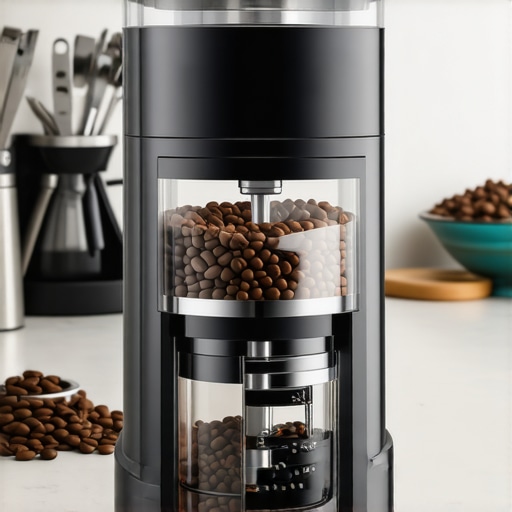
Switching to a dedicated single dose grinder can drastically improve your grind uniformity. Unlike traditional models with hoppers, single dose grinders only grind what you need, reducing static and stale beans that cause fines. I tested a popular single dose grinder last month, and the difference was night and day — fewer fines, cleaner extraction, and better flavor clarity. When choosing one, prioritize models with tight burr set adjustments and zero retention features—these are crucial for consistency. Check out this guide for top picks.
Optimize Your Grind Setting and Timing
Afternoon practice: I dialed in my grind setting and timed my shots to find the sweet spot. Start by setting your grinder to a medium-fine—test by grinding a small amount onto a scale. Measure how much coffee is produced, and adjust the grind until you get a consistent weight per shot. Precise timing—aim for a shot duration of about 25-30 seconds—further guarantees uniform extraction. Use a timer and scale to monitor and tweak continuously. Remember, minor adjustments in grind size have significant impacts—change in 0.1mm intervals only. Want more detailed insights? Visit this article.
Practice Daily Maintenance for Peak Performance
Every morning, I brush and wipe the burrs and chute to remove residual coffee oils and fines. Accumulated residues cause uneven grounds and static—both enemies of consistency. Use a specialized grinder brush to clean hard-to-reach areas, and occasionally run a cleaning cycle with grinder cleaning tablets. A well-maintained grinder stays in calibration longer and produces uniform grounds shot after shot. In my experience, neglecting regular maintenance resulted in inconsistent grinds within a week. For proven maintenance routines, check this resource.
Temperature Control and Bean Preparation
Temperature impacts grind size as beans expand or contract. Store beans in a cool, dry place, and grind immediately before brewing. I recently experimented with beans stored at different humidity levels—those kept in an airtight container at room temperature produced more consistent grounds than beans stored in warm, humid environments. Prepping beans correctly reduces moisture variability, ensuring your grinder behaves predictably. Consistency isn’t just about the grinder; it’s also about how you handle your beans day-to-day. For further tips, explore this guide.
Many coffee enthusiasts believe that investing in an expensive burr grinder is the ultimate solution to achieving perfect espresso. However, even top-tier grinders can fall prey to misconceptions if users overlook critical nuances. One common myth is that burr grinders inherently produce consistent grounds without regular maintenance. In reality, burr alignment and cleanliness are vital, or else fines and uneven particle sizes will sneak in, sabotaging your brew. Relying solely on the grinder’s specs ignores the importance of proper calibration, which can vary over time—something many overlook, leading to inconsistent results. For example, a study published in the Journal of Coffee Research emphasizes that grinder calibration impacts extraction uniformity more than the grinder’s brand or price point. Therefore, understanding and maintaining your grinder’s nuance is crucial for precision.
Why do some professional baristas still struggle despite using high-end grinders?
The secret lies in the details—regular burr alignment checks, proper cleaning routines, and mastering grind setting adjustments matter more than the machine itself. Too often, people assume that a single purchase guarantees excellence, but neglecting these advanced maintenance practices introduces errors, especially with single dose grinders that lack hoppers, which can cause static and retention issues if not managed carefully. For the advanced user, learning to identify subtle grind inconsistencies and applying targeted fixes can elevate your espresso quality significantly. Dive into these expert tips to refine your skills further. Making small, consistent adjustments—and understanding that static buildup or burr misalignment can be hidden traps—are key to long-term success. Remember, grind consistency isn’t just about equipment; it’s an ongoing process of calibration, cleaning, and attentive troubleshooting. Have you ever fallen into this trap? Let me know in the comments.
Keeping Your Grinder in Peak Condition
To ensure long-term success with your coffee setup, regular maintenance of your grinder is essential. This includes cleaning the burrs and chute weekly using a specialized grinder brush, which removes coffee oils and fines that cause static and inconsistent grounds. For deeper cleaning, consider using grinder cleaning tablets once a month—these help eliminate stubborn residues that can interfere with grind size and flow. Additionally, inspecting the burr alignment quarterly helps prevent fines from creeping into your grounds, preserving your espresso’s clarity. A well-maintained grinder not only delivers better results but also extends its lifespan, making it a worthwhile investment. For detailed routines, check out this comprehensive guide.
Recommended Equipment for Precision and Ease
Personally, I rely on the Baratza Forté BG for its excellent grind consistency and durability. Its high-quality ceramic burrs stay sharp longer, reducing uneven grounds over time, and its digital timer allows for precise dosing—crucial for maintaining consistency in single dose brewing. To complement this, I use a dedicated coffee scale like the Acaia Pearl, which offers consistent measurement and connecting app integration for tracking grind settings and shot parameters. Pairing these tools has considerably improved my espresso consistency and has lowered wasted beans. For those considering upgrades, take a look at this list of top grinders, which features models tailored to serious enthusiasts.
The Future of Grinder Maintenance and Performance
With ongoing technological advances, we can expect smarter grinders equipped with sensors that monitor burr alignment and suggest maintenance prompts. Automated cleaning cycles are likely to become standard, reducing user error and downtime. In the near future, integrating IoT (Internet of Things) features could enable grinders to self-diagnose issues and even calibrate themselves, much like some high-end coffee machines today. Staying ahead means selecting equipment with open architecture and software updates, ensuring your grinder continues to perform optimally over the years.
How do I maintain my grinder over time?
The key is establishing a routine: clean after every use, perform alignment checks quarterly, and replace burrs as recommended by the manufacturer—usually every 1,000 to 2,000 pounds of coffee. Document your grind settings and shot results to identify subtle shifts that indicate calibration drift. Regular maintenance not only improves consistency but also prevents costly breakdowns. Interestingly, a study from the International Coffee Organization highlights that meticulous gear upkeep correlates directly with flavor stability. Make it a habit to schedule these simple steps; your taste buds will thank you. Try implementing a weekly cleaning routine today to see immediate improvements in your espresso quality.
What I Wish I Knew Before My First Burr Adjustment
One of the most eye-opening lessons was realizing that even small burr misalignments could wreak havoc on grind consistency. Initially, I thought my grinder was set perfectly, but after a careful realignment with a feeler gauge, I discovered subtle misalignments that caused uneven particles. This highlighted the importance of regular calibration—it’s not a one-and-done task but part of ongoing routine maintenance. Remember, precision in burr alignment can make the difference between sour, over-extracted shots and those that are perfectly balanced.
Why Static and Fines Are Your Hidden Enemies
Static buildup inside the grinder was a surprise to me; it caused fines to stick and clump, disturbing the dose consistency. Switching to a low-static grinder or adding humidity during grinding can reduce static issues. I’ve learned that static isn’t just a minor inconvenience—it’s a sneaky culprit behind uneven extraction and bitter flavors. To fight static, regular cleaning and proper bean storage are essential, and exploring alternative grind environments can help keep fines in check.
The Myth of the ‘Set It and Forget It’ Grinder
I used to believe that once I found the perfect grind setting, I was set for life. However, new beans, humidity changes, and wear on burrs meant I had to revisit and adjust my settings periodically. This taught me that fine-tuning isn’t a one-time process but an ongoing journey. Consistently tracking shot quality and adjusting settings accordingly ensures sustained extraction excellence rather than settling for mediocrity every morning.
Curated Resources That Elevated My Grinding Game
First, the comprehensive article on burr grinder fundamentals provided an essential foundation, emphasizing regular calibration and maintenance. For selecting the right grinder, top-rated models in 2024 helped me focus on durability and precise adjustment features. Additionally, the ultimate guide to single dose grinders opened up new avenues for consistent doses and flavor control. These trusted sources replaced guesswork with confidence, transforming my routine.
Your Next Step Toward Espresso Perfection
Achieving true grind consistency with your burr grinder is more than just a technical task—it’s a craft that rewards patience and attention to detail. The journey from frustration to mastery is possible for everyone willing to embrace regular maintenance, meticulous calibration, and mindful bean handling. Remember, each adjustment, each clean, brings you closer to that elusive perfect shot. Don’t shy away from experimenting and learning—your best espresso waits just beyond your current limits. How has your experience with grind adjustments shaped your coffee journey? Share your stories below and keep the conversation brewing.
![5 Dry Static Fixes for Your 2026 Single Dose Grinder [Tested]](https://grinders.espressotechguide.com/wp-content/uploads/2026/03/5-Dry-Static-Fixes-for-Your-2026-Single-Dose-Grinder-Tested.jpeg)