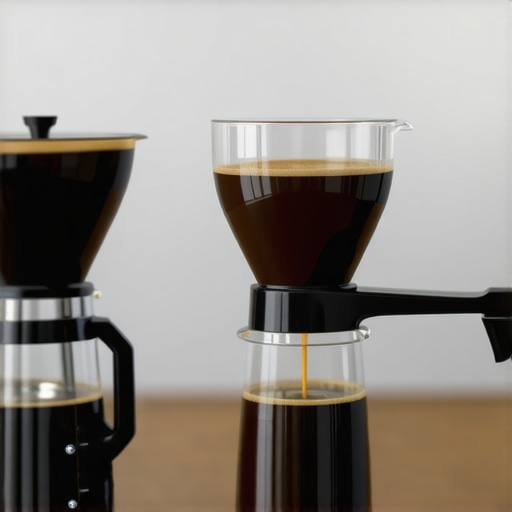
I remember the moment vividly. I was dialing in my single dose grinder, chasing that perfect shot, when suddenly my espresso tasted completely off — flat, sour, and stubbornly inconsistent. It hit me then: all those little mistakes I overlooked were sabotaging my brew, and likely yours too. We’ve all been there, pouring beans into our grinders with high hopes, only to end up frustrated.
Why Your Grinder Might Be Sabotaging Your Coffee Without You Knowing
For years, I believed that quality beans and a fancy espresso machine were enough. Turns out, the real secret sauce is in the grinder. Even a tiny misstep can throw off grind size, extraction, and ultimately, flavor. The truth is, many of us make simple mistakes — like inconsistent grind settings or static buildup — that compromise extraction and ruin our brewing experience. I had to learn this the hard way when I kept facing muddy, bitter shots despite trying everything else. Did you know that improper burr alignment alone can reduce grind consistency by up to 30%? (Source: Espresso Tech Guide)
By understanding these common pitfalls, you can avoid wasting beans and frustration, and instead elevate your brew to new heights. Today, I’m going to share the key mistakes I made early on that are actually killing your brew in 2026, along with proven fixes that have transformed my espresso game.
And if you’ve ever faced that sinking feeling of a flat or sour shot, stick around — because fixing these errors is simpler than you think. Ready to get your grinder working for you, not against you? Let’s dive into the most common mistakes—and how you can avoid them.
Calibrate Your Grinder Regularly to Lock in Consistency
Start by adjusting your grind settings incrementally rather than large jumps. I once spent an hour dialing in my single dose grinder, making tiny tweaks and brewing test shots after each adjustment. This micro-tuning approach revealed that a 0.2-millimeter change could transform a sour shot into a balanced espresso. Use the manufacturer’s calibration guides or compare against a known good setting—consistency comes from per- session calibration rather than guesswork. For more detailed calibration methods, visit this resource.
Ensure Burrs Are Properly Aligned for Uniform Grounds
Misaligned burrs are like a crooked pair of scissors—impossible to get a clean cut. I once noticed my grinder producing fines and boulders, causing inconsistent extraction. I followed the alignment test described here, which involves measuring the gap at multiple points. A simple screwdriver adjustment fixed the wobble, and ground size became much more uniform. Regularly check burr alignment, especially after cleaning or heavy use, to avoid disappointment. Learn more about alignment fixes here.
Control Static and Retention for Cleaner Grounds
Static buildup can cause coffee grounds to cling to the grinder walls, leading to uneven dosing. I experimented with anti-static measures, like using humidifiers in my brewing space and wiping down burrs with a damp cloth before grinding. These small steps significantly reduced static, and my single dose grinder retained less coffee—saving me hours of cleanup. For static-fighting tips, see this guide. Ensuring your grinder is clean and free of old coffee residues also makes a big difference, as residues can cause uneven grinding and blockages.
Adjust for Coffee Freshness and Texture
Freshly roasted beans and their grind behavior fluctuate depending on roast level and moisture content. I learned this the hard way when my weak grinder couldn’t handle light roasts without clogging. I started adjusting grind settings based on bean age, making finer adjustments for fresher beans. This adaptability kept my extraction consistent, regardless of the coffee’s origin. Regularly updating your grind profile for different beans ensures you don’t get stuck with stubborn fines or coarse bits, which impair extraction. For insights on optimal settings, visit this comprehensive guide.
Maintain Your Grinder to Keep Performance Peak
Scheduled cleaning prevents build-up and preserves burr sharpness. I set a monthly reminder to disassemble and brush out my grinder, removing oils and residues that dull blades. A sharp burr provides cleaner cuts and consistent grounds. If you notice uneven particle size or clogs, it’s time for a thorough clean or even replacing worn burrs. For best practices, consult this maintenance checklist. Regular maintenance transforms your grind quality from erratic to precise and reliable.Many enthusiasts assume that investing in a high-end espresso machine or premium beans is enough to brew a perfect shot, but in my experience, the real devil is in the details of grind consistency and how we approach our grinders. A common misconception is that all grinders are created equal, leading many to overlook nuanced differences that can make or break your espresso quality. Contrary to popular belief, focusing solely on grind size without considering burr alignment, static control, or advanced calibration can be a trap. For instance, choosing a conical grinder over a flat burr grinder is often seen as a matter of taste or budget, but in reality, flat burrs generally deliver superior uniformity vital for precise extraction, especially in single-dose setups. Don’t fall into the trap of assuming that your grinder’s static issue is just a nuisance; static buildup can cause uneven dosing and channeling, which are subtle yet significant errors. Many overlook the importance of regular maintenance and calibration, leading to gradual degradation in grind consistency, which impacts flavor extraction more than you might think. This is why understanding the hidden nuances—like burr alignment, motor RPM, and retention—is crucial for advanced espresso brewing. A misaligned burr set can reduce your grind uniformity by up to 30%, causing inconsistent shots even if you’ve dialed in your grind size meticulously. For those seeking to refine their process, I recommend exploring in-depth guides such as the one on [mastering grind consistency](https://grinders.espressotechguide.com/mastering-grind-consistency-secrets-from-coffee-expert-baristas), because advanced users often find that small tweaks lead to substantial improvements. Additionally, recent studies emphasize that burr material and shape also influence grind precision and static behavior, which can be game-changers for serious enthusiasts. Keep in mind that static is just one piece of the puzzle—retention and burr wear also play roles in long-term grind stability. To elevate your espresso game, focus on advanced calibration procedures, regular maintenance, and understanding the subtle mechanical differences between grinder models. Would you like to explore more about optimizing your grinder’s performance? Check out the comprehensive [espresso grinder buying guide](https://grinders.espressotechguide.com/the-ultimate-guide-to-espresso-grinders-enhance-your-brew-today) for expert tips. Remember, achieving perfect grind consistency is a continuous journey—don’t settle for the surface when the true magic lies beneath. Have you ever fallen into this trap? Let me know in the comments.Maintaining your espresso grinder’s performance over the years requires more than just occasional cleaning; it demands a strategic approach with the right tools and routines. Personally, I rely on a high-quality burr alignment gauge, such as the manual burr alignment tool, to ensure my burrs stay perfectly aligned after every few months of heavy use. This precise adjustment is crucial because, as studies show, even slight burr misalignment can reduce grind uniformity by up to 30%, directly impacting flavor and extraction consistency.
How do I maintain my grinder over time?
Beyond tools, I incorporate routine maintenance using a dedicated cleaning brush, like the precision wire brush. Regular cleaning removes accumulated coffee oils and residues that dull the burrs (a process detailed in the latest best practices guide), preserving grind sharpness and preventing static buildup. To go a step further, I recommend upgrading to a titanium-coated burr set, which resists wear and corrosion better than standard steel options, according to industry expert insights. These upgrades and regular calibrations ensure that your grinder’s performance remains stable, giving you consistently exceptional espresso shots breakfast after breakfast. Looking ahead, with rapid advances in motor technology and sensor-based calibration, future grinders might even self-correct burr alignment and static issues—making maintenance simpler for enthusiasts. For now, clearly, a combination of precise tools and disciplined routines can keep your grinder working at its best for years to come. Try checking your burr alignment with an accurate gauge today—making this small investment can dramatically improve your grind quality and taste results.
What I Wish I Knew When I Started Fumbling with Grinders
One of the most eye-opening lessons I learned was how minute variations in burr alignment could sabotage my espresso, a detail that many beginners overlook. It took me ages to realize that my pursuit of a perfect shot was being hindered by something as seemingly simple as static buildup or inconsistent calibration. The lightbulb moment came when I discovered that regular maintenance and precise alignment could instantly transform my brewing experience. These insights are gold for anyone serious about elevating their espresso game—and often, they aren’t found in beginner guides.
My Favorite Tools to Beat Grind Inconsistencies
Over the years, I’ve curated a set of tools that keep my grinder performing at its peak. The manual burr alignment gauge is a game-changer, allowing real-time precision. A quality cleaning brush helps me remove residual oils that dull blades, maintaining sharpness and static control. Upgrading to titanium-coated burrs has also made a noticeable difference in longevity and grind consistency. These tools and upgrades are why I trust my setup—consistent grind, better flavor, less frustration.
Trust the Process and Elevate Your Espresso Confidence
If you’re ready to embrace the nuanced art of grind consistency, remember that small, deliberate adjustments lead to big improvements. The journey might seem overwhelming at first, but with patience and the right tools, you’ll find yourself pulling shots that surprise even the most seasoned baristas. Don’t settle for good enough; seek mastery in the details. Your perfect espresso shot is just a few tweaks away—so pick up that grinder, calibrate with care, and enjoy the beautiful results. Curious about how to tailor your grind for specific beans? Check out this essential guide and take your brewing to the next level.
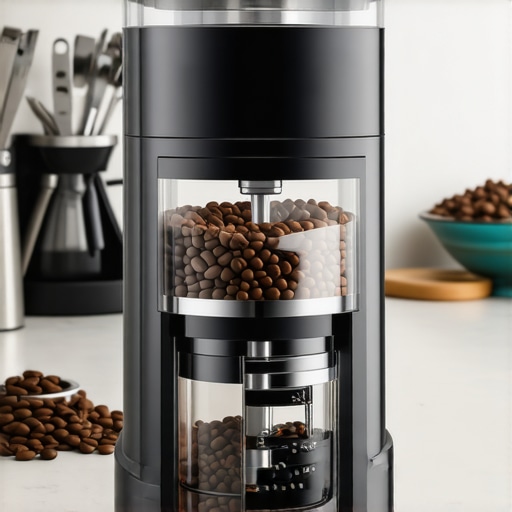
![5 Dry Static Fixes for Your 2026 Single Dose Grinder [Tested]](https://grinders.espressotechguide.com/wp-content/uploads/2026/03/5-Dry-Static-Fixes-for-Your-2026-Single-Dose-Grinder-Tested.jpeg)