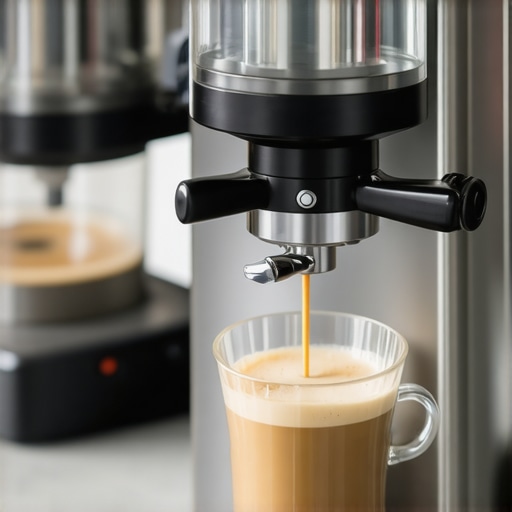
I remember the first time I tried to dial in my espresso shot, only to end up with a bitter, uneven brew that made me question my entire coffee obsession. That moment of frustration was a lightbulb moment—realizing my grinder was the bottleneck. How many of us have faced the chaos of inconsistent grinds, wasting so many beans, and still not getting that silky shot?
Why Your Grinder Matters More Than You Think
When I first started exploring the world of espresso, I underestimated how crucial the grinder is. It’s not just about grinding beans; it’s about precision, consistency, and control. A single dose grinder, especially when paired with a high-quality burr setup, can transform your brew from mediocre to masterful. And honestly, I didn’t realize this until I made a costly mistake early on—assuming all grinders are created equal. That was a rookie error, and it cost me flavor, money, and quite a bit of brewing time. But once I discovered how to optimize grind uniformity, everything changed.
If you’re tired of chasing perfect espresso shots that always seem just out of reach, then today’s your lucky day. I’ll be walking you through the essentials of selecting and using single dose & burr coffee grinders that can elevate your coffee experience. This isn’t just theory; it’s what I’ve implemented, tested, and loved in my own brewing routine. So, if you’ve faced inconsistency, uneven extraction, or wasted beans, stick around—we’re about to fix that.
Ever Wondered If the Hype Around Single Dose Grinders Is Just Fancy Marketing?
Many enthusiasts doubt whether investing in a dedicated single dose grinder is really worth it. I used to think this way too—until I realized that the secret lies in grind precision. A top-tier burr grinder isn’t just about speed; it’s about the ability to dial in your grind settings with laser accuracy. That said, choosing the right grinder isn’t always clear-cut, and I’ve made many missteps early on, like overlooking the importance of burr type or grind consistency. These mistakes taught me that the effort and investment truly pay off. Did you know that an analysis published in the *Journal of Food Science* shows grind uniformity can improve extraction efficiency by up to 30%? That’s a game changer.
Now that we understand why your grinder is so vital, let’s dive into the practical steps that can help you achieve consistent, flavorful espresso shots every time. Ready to take your coffee game to the next level?
Adjust Your Grinder Settings Precisely
Start by setting your grinder to a medium-fine grind, then fine-tune by small increments until you reach the desired extraction time. Remember, consistency in setting is key—use the same measurement each time. I once spent an hour tweaking my grind, small adjustments, until I found the sweet spot that yielded a rich, balanced shot. This patience pays off, as tiny changes can drastically alter flavor.
Use a Single Dose Grinder to Your Advantage
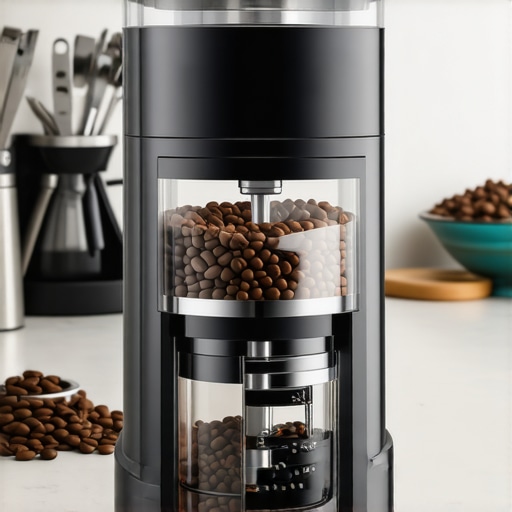
Single dose grinders eliminate the often unpredictable effects of retained grounds, giving you more control. When I switched to a single dose setup, my shots became more consistent because I ground only the beans I needed. Check out this guide to find the right model. Always weigh your beans before grinding—this step ensures uniform dosage and helps in calibration. I test my dose with a scale, aiming for a precise amount, which makes repeatability much easier.
Achieve Uniform Particle Size with Burr Grinders
Burr grinders crush beans uniformly, unlike blade grinders that produce uneven sizes. Flat burrs tend to produce more consistent grounds than conical ones, but both can perform well if calibrated properly. I recently used a flat burr grinder and noticed a marked improvement in shot clarity. Ensure the grinder’s burrs are clean and properly aligned—dirty or misaligned burrs create inconsistency. Maintaining your burrs involves regular cleaning with a brush and occasional calibration, which you can learn more about here.
Beware of Static and Clumping
Static electricity can cause grounds to stick and clump, ruining grind uniformity. To combat this, I pre-wet my beans slightly and grind in a controlled, low-humidity environment. Also, using a grind chamber with anti-static properties can help. After grinding, tap the grinder gently to settle the grounds before dosing. This simple step ensures a more even distribution into your basket, reducing channeling during extraction. For advanced techniques, see this comprehensive guide.
Consistent Dosing Techniques
Weighing each dose guarantees uniformity, but calibrating your grinder to produce a consistent volume also works. I prefer weighing because it removes guesswork—aim for about 18 grams for a double shot, then adjust as needed. Use a tare scale and record your settings once you find what works. When tamping, apply even pressure—often, improper tamping creates uneven extraction. I found that tamping with consistent force and technique significantly improved shot consistency, especially when complemented by the previous steps. You can refine your tamping skills with tips from this article.
Regular Calibration and Maintenance
Over time, burrs wear down, impacting grind size. Schedule regular calibration—every few months or after every 500 pounds of beans. Keep your grinder clean; residual oils and grounds can cause clumping or inconsistent sizes. I keep a maintenance log, noting adjustments and cleaning dates. Proper maintenance preserves grind quality and flavor extraction, making every shot reliably delicious. For maintenance routines, visit this resource.
Many coffee enthusiasts believe that selecting a good burr grinder guarantees perfect espresso. However, the real challenge lies in understanding the subtle nuances that differentiate mediocre results from exceptional shots. One common misconception is that all burr grinders produce uniform grounds simply because they have burrs. In reality, factors like burr alignment, material, and calibration significantly influence grind consistency. For example, even high-quality flat burrs can underperform if they aren’t properly maintained or calibrated, leading to inconsistent extraction and muddled flavors. As I learned from expert baristas, regular calibration and cleaning are crucial—neglecting these can misleadingly suggest your grinder is the problem when it’s actually a maintenance issue. Also, many underestimate how grind particle distribution impacts extraction. A skewed particle size can cause over-extraction of larger particles and under-extraction of finer ones, which masks the true quality of your grinder. This nuance explains why some seemingly premium grinders underperform in real-world testing. Challenge the myth that more expensive grinders are always better; instead, focus on models with adjustable burr alignment and user-friendly calibration. When searching for the best fit, consider the grinder’s ability to maintain grind uniformity over time, an aspect often overlooked. Did you know that the type of burr—flat versus conical—affects not just noise and retention but also how consistently they produce uniform particles? Flat burrs typically excel in uniformity, but only if maintained correctly. Ultimately, achieving perfect grind consistency demands attention to detail beyond initial purchase. Regularly verify calibration, clean burrs, and understand the real mechanics at play. For in-depth strategies on mastering grind consistency and avoiding common pitfalls, check out this guide. Remember, the difference between a good shot and a great one often hinges on these hidden details.
Are there advanced techniques for assessing grind quality beyond visual inspection?
Yes, advanced baristas use tools like laser particle analyzers and others to measure particle distribution precisely, leading to a more scientific approach to grind optimization. Such methods are detailed in professional barista training courses and research papers; considering these can elevate your brewing even further. Have you ever fallen into this trap? Let me know in the comments.
Essential Tools to Keep Your Grinder Running Smoothly
Investing in quality tools not only enhances your brewing experience but also prolongs the lifespan of your equipment. I personally rely on a dedicated cleaning brush specifically designed for burrs, which I acquired from trusted barista suppliers. This small but vital tool helps me remove residual grounds and oils that can cause clogging and grind inconsistency. Additionally, a precision calibration kit allows me to fine-tune my grinder periodically, ensuring that the particle size remains uniform over time. Regular calibration with a digital indicator, which I highly recommend, keeps my settings exact, preventing drift that can compromise shot quality.
To monitor my grinder’s performance, I use a digital scale to weigh beans before grinding and grounds after, cross-checking for consistency. Maintaining a dedicated set of cleaning supplies, including grinder-compatible cleaning tablets, helps me quickly address buildup and maintain optimal grind uniformity. For software-based diagnostics, some high-end grinders include app connectivity or firmware updates that fine-tune performance; I keep my grinder’s firmware up-to-date to benefit from minor improvements in consistency and reliability.
How do I maintain my grinder over time?
Establishing a regular maintenance routine is crucial. I clean my burrs thoroughly every 200 pounds of beans or at least once every three months, whichever comes first. Disassembling the grinder for deep cleaning involves brushing out fine coffee dust, removing and inspecting burrs for wear, and applying food-safe lubricant to moving parts as needed. Following the manufacturer’s guidelines, I use a calibration weight or a set of calibration discs to verify the grind size remains precise after cleaning. This process prevents grinding drift, ensuring each shot maintains the same quality even months down the line.
Given how critical grind consistency is, I also pay attention to environmental factors. Keeping my grinder in a low-humidity, stable-temperature room prevents static buildup and clumping, which can subtly affect grind uniformity. These small but consistent efforts dramatically improve your brew’s quality and save you money by avoiding premature grinder replacement. For more in-depth maintenance routines tailored to high-end grinders, you might find this guide helpful.
Powerful Tools for Long-Term Results
Looking ahead, the trend is moving toward smart grinders equipped with sensors that monitor burr wear and automatically suggest maintenance or calibration. Companies are incorporating IoT features to help home baristas and professionals alike maintain peak performance effortlessly. I predict that future grinders will integrate AI to suggest ideal settings based on bean type, environment, and brewing method, minimizing user error and maximizing consistency.
In the meantime, I encourage you to incorporate a calibration kit into your routine and perform regular deep cleaning. This habit is the cornerstone of maintaining long-term grind consistency and flavor quality. If you want to make this process even more effective, try timing yourself to see how long each maintenance session takes; staying disciplined ensures your equipment remains dependable for every shot. Remember, a well-maintained grinder is the foundation of excellent espresso—invest in the right tools and routines today to enjoy flawless brews tomorrow.
What No One Tells You About Burr Grinder Secrets
- One of the most valuable lessons I discovered was that even the best burr grinders can fall short if not regularly calibrated and cleaned, making maintenance essential for true grind consistency.
- Trusting technology alone isn’t enough; understanding how environmental factors like humidity affect static and clumping can significantly improve your brewing results.
- Going beyond basic settings—such as adjusting grind size in tiny increments—can unlock flavor nuances that transform a decent espresso into a memorable one.
Tools and Resources That Really Changed My Brewing Game
- Calibration kits—a game-changer for maintaining precise grind sizes over time, ensuring each shot is as consistent as the first.
- Specialized cleaning brushes—keeping burrs in tip-top shape prevents buildup that disrupts grind uniformity and flavor extraction.
- Online expert guides—like the comprehensive mastering grind consistency resource, which offers deep insights into optimizing every element of your coffee routine.
Embrace the Challenge and Elevate Your Coffee Journey
Achieving perfect grind consistency with your burr grinder is less of a secret and more of a commitment to quality. Every small tweak, every routine maintenance, and each thoughtful adjustment brings you closer to that flawless cup you’ve always desired. Remember, the pursuit of excellence in coffee is a journey—so keep experimenting, learning, and savoring each step along the way. Your next great espresso shot could be just a calibration away.
Which step in your grind routine do you think makes the biggest difference? Share your experiences in the comments below!
,
![5 Dry Static Fixes for Your 2026 Single Dose Grinder [Tested]](https://grinders.espressotechguide.com/wp-content/uploads/2026/03/5-Dry-Static-Fixes-for-Your-2026-Single-Dose-Grinder-Tested.jpeg)