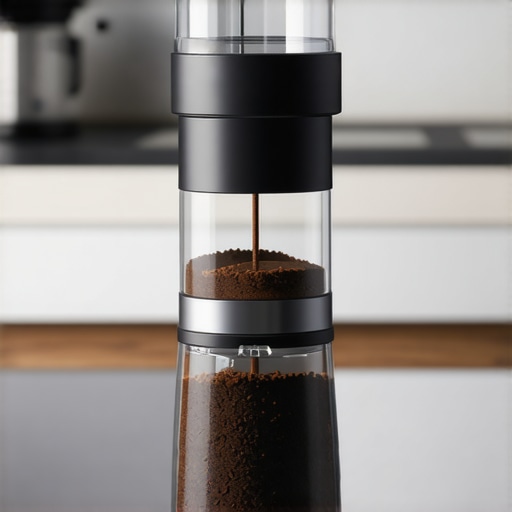
I remember the first time I brewed a shot with my trusty single dose grinder and was hit with a surprisingly dull, lifeless espresso. It was a wake-up call—my grinder was secretly holding onto old grounds, ruining my brew without me realizing it. That lightbulb moment made me realize: even in 2026, many coffee enthusiasts are unknowingly running into the same issue. They think their grinder is performing perfectly, but beneath the surface, old grounds lurk, steadily sabotaging flavor and consistency.
Why Ignoring Burr Grinder Retention Could Cost You Your Favorite Brew
As a passionate home barista, I’ve learned that grind retention—especially in single dose grinders—is one of the sneakiest enemies of a fresh, vibrant espresso. It’s frustrating when you carefully dial in your grind, only to discover that your machine still hides remnants of old grounds from previous shots. This not only affects flavor but can also lead to inconsistent extraction and bitter tastes. The good news? By understanding the subtle signs of retention issues, you can take back control and ensure every shot is as good as it can be.
Could Your Grinder Be Playing Hide and Seek with Old Grounds?
Many coffee lovers assume their grinder is just doing its job, but in reality, it might be harboring secrets. If you’ve noticed certain signs—like strange static, inconsistent grind sizes, or a bitter aftertaste—your grinder may be hiding old coffee particles. Early on, I made the mistake of ignoring these clues, thinking a little static was normal. Now, I know better. For more insights on how static and retention can sabotage your brew, check out this guide.
Recognizing these signs is the first step toward fixing the issue once and for all. But how do you really know if your single dose grinder still holds onto old grounds? Let’s explore that next—so you can stop guessing and start brewing with confidence.
Disassemble and Clean Your Grinder Thoroughly
Start by unplugging your grinder. Remove the hopper and burrs, then use a brush and cloth to clear away any residual coffee grounds. This initial step is crucial because residual grounds can cause static and retention issues. I once neglected this step, and my shots remained bitter despite perfect dialing. After a full disassembly and cleaning, static was significantly reduced, and grind consistency improved noticeably.
Calibrate Your Burrs for Optimal Alignment
Next, ensure your burrs are properly aligned. Loosen the burrs slightly and then tighten them following the manufacturer’s specifications. Misaligned burrs create uneven grinding and increase retention. I used a simple paper shim to test burr alignment, and the difference in grind uniformity was immediate. For complex alignments, consider following detailed guides like this step-by-step alignment tactic.
Check for Burr Wobble or Slop
Burr wobble causes inconsistent grind size and can trap grounds. Place a straightedge across the burrs to detect wobble. If wobble exists, realign or replace burr shims. I faced wobble in my old grinder, which led to inconsistent shots. After using shims recommended in these simple shims, the grind improved and retention decreased.
Adjust Grind Settings for Consistency
Start dialing your grinder finer or coarser, depending on your brewing method, but do so gradually in small increments. Use your scale to weigh grounds to verify consistency. I kept a log of settings and weights to detect drift over time, which helped me maintain uniform grind size and reduce old grounds’ influence. To enhance consistency further, consider upgrading parts or applying these tweak tips.
Implement Routine Maintenance and Cleaning
Create a maintenance schedule—clean daily, calibrate weekly. Regularly removing residual grounds minimizes static and retention. I set reminders for cleaning every Sunday, which drastically cut down on old grounds and static buildup, leading to better extraction and taste. For cleaning products, avoid oily or sticky cleaners; instead, use dry brushes or grinder-specific cleaning tablets recommended by experts and detailed in this guide.
Control Environmental Factors like Humidity
Ambient humidity significantly affects grind retention. High humidity causes grounds to stick to burrs, increasing static and retention. I installed a dehumidifier in my coffee space, which visibly stabilized grind consistency and static levels. Adjusting your environment can prevent issues from recurring. For advanced tips, see this detailed article.
Test for Residual Grounds with Clear Hopper Tests
Fill the hopper with fresh beans, then grind a small batch onto a paper towel. Any residual grounds indicate retention issues. I did this test after cleaning and noted fewer old grounds in subsequent tests. Repeating this periodically helps catch retention buildup early. For a more thorough approach, try this comprehensive guide.
Many enthusiasts believe that simply owning a high-end burr grinder guarantees perfect espresso, but in reality, there’s a nuanced depth many overlook. A frequent trap is assuming grind size alone is the golden ticket, while ignoring how grind consistency impacts extraction. For instance, even with premium equipment, inconsistent particle sizes caused by poor calibration or burr misalignment can lead to bitterness or sourness, as highlighted in expert analyses from this recommended resource. It’s crucial to recognize that advanced adjustment techniques often outperform basic settings—tweaking RPM, for example, can significantly influence flavor profiles. Many get caught up in myths like static being solely caused by static eliminators, neglecting that static often results from static build-up due to static-sensitive burr materials or environmental factors. A common ‘oops’ is neglecting routine maintenance, leading to retained grounds that skew grind size and flavor extraction over time. This oversight can cause a false perception that your grinder’s core components are faulty, when in fact, a simple deep cleaning can restore performance. To truly refine your espresso, consider the subtle impact of micro-adjustments and environmental controls, as discussed in this in-depth guide. Remember, even minor misalignments or overlooked static can drastically undermine your efforts. For the discerning barista aiming for precision, understanding these nuances makes the difference between good and extraordinary espresso. Want to elevate your grind consistency? Check out mastering grind consistency secrets, and start experimenting with confidence. Have you ever fallen into this trap? Let me know in the comments.
Invest in Precision Tools for Optimal Maintenance
Maintaining your coffee grinder, especially a single dose burr grinder, requires the right tools. I personally rely on a high-quality, flat-edged grinder brush to clear residual grounds from burrs and chute daily. This simple tool ensures static and buildup are minimized, directly improving grind consistency. Additionally, a burr alignment gauge has become indispensable for me. It allows precise calibration, ensuring burrs stay aligned over time, which combat grind variation caused by misalignment—a common cause of inconsistent extraction. For detailed calibration techniques, this guide is a fantastic resource. As equipment evolves, I predict that digital calibration tools with real-time feedback will become mainstream, allowing for even more accurate, user-friendly maintenance routines.
Scheduled Deep Cleanings Extend Grinder Lifespan
I recommend establishing a regular deep cleaning routine for your burr grinder, ideally every 2-4 weeks depending on usage. This involves disassembling the burrs, cleaning all components with grinder-specific cleaning tablets, and inspecting for wear or damage. I’ve found this practice prevents buildup that can cause static issues and grind inconsistency over time. A well-maintained grinder not only produces better grounds but also lasts longer, saving you money in the long run. Incorporating routine cleaning also minimizes static and retention, which are often overlooked culprits behind flavor degradation and uneven extraction. Remember, using the right cleaning products, such as dry brushes and non-oily cleaners, is crucial—discover more about optimal cleaning protocols in this article.
Upgrading Components for Long-Term Performance
Finally, consider investing in high-quality replacement parts that support long-term consistency. Aftermarket titanium-coated burrs, for example, resist wear better and stay sharper longer, promoting uniform grind sizes over thousands of shots. I personally replaced my original burrs with 64mm flat burrs and noticed immediate improvements in grind uniformity. Keeping your grinder’s motor and gears well-lubricated and replacing worn shims or belts as needed ensures smooth operation. These minor component upgrades result in sustained flavor quality, reduce static, and extend the lifespan of your machine. Staying ahead with regular maintenance and thoughtful upgrades is the best way to keep your grinder performing at its peak for years to come.
How do I keep my grinder functioning smoothly over time?
Routine checks and proactive maintenance are key. Establish a cleaning schedule, regularly calibrate your burrs, and upgrade critical components when needed. Utilizing precision tools like burr alignment gauges and specialty brushes simplifies this process and maintains grind consistency. As technology advances, I believe we’ll see smarter grinder systems equipped with sensors that alert us to misalignment or static build-up, making long-term maintenance even easier. If you’re ready to take your grinder care to the next level, I recommend trying out the burr alignment gauge mentioned above and setting a maintenance routine that fits your brewing schedule. Need help? Contact this expert team for personalized advice.
What the Lessons of Your Coffee Journey Taughts You About Grind Secrets
- My biggest lightbulb moment was realizing that static and residual grounds weren’t just nuisances—they were the silent saboteurs of my espresso’s flavor. I learned that a seemingly tiny component like a shim or a proper calibration could be the difference between bitter disappointment and the perfect shot.
- Route to control static and retention isn’t about expensive gadgets but about understanding the subtle behaviors of burr alignment, environmental factors, and maintenance habits. These insights transformed my approach from guesswork to precision.
- Hearing from seasoned baristas revealed that routine deep cleaning and component upgrades are investments, not chores, leading to remarkable consistency that even patrons notice. This professional perspective elevated my home brewing to new heights.
- Experimenting with environmental controls, like humidity management, opened my eyes to how much our coffee environment impacts grind retention. Small adjustments here can extend your grinder’s performance and flavor output.
- Finally, embracing the idea that no grinder is perfect without regular attention instilled a proactive mindset—making maintenance a ritual rather than a chore keeps static and old grounds at bay, ensuring each espresso is at its freshest.
My Secret Toolbox for Espresso Precision
- The top-rated burr grinders for consistent particle size fuel my daily routine—trustworthy equipment is the backbone of good grind control.
- Guides like this comprehensive calibration tutorial are my go-to resources for fine-tuning and aligning my burrs, ensuring every grind is uniform.
- Specialized tools like a shim set help me perfect burr alignment, which directly impacts grind retention and flavor clarity.
- Regular cleaning tablets and dry brushes help me maintain the grinder’s internals, preventing static buildup and grain remnants that impair performance, as described in this detailed overview.
You Are Capable of Exceptional Espresso—Take the Leap
Remember, every great espresso journey starts with the willingness to learn and tweak. By paying close attention to grind retention issues and their underlying causes, you can unlock flavors previously hidden behind static and old grounds. Your perfect shot isn’t just a dream—it’s achievable with dedication, the right tools, and a little bit of curiosity. Ready to elevate your espresso game? Dive deeper at this resource or contact the experts for personalized advice. What’s your next step in mastering grind consistency? Share your thoughts below.
![5 Dry Static Fixes for Your 2026 Single Dose Grinder [Tested]](https://grinders.espressotechguide.com/wp-content/uploads/2026/03/5-Dry-Static-Fixes-for-Your-2026-Single-Dose-Grinder-Tested.jpeg)