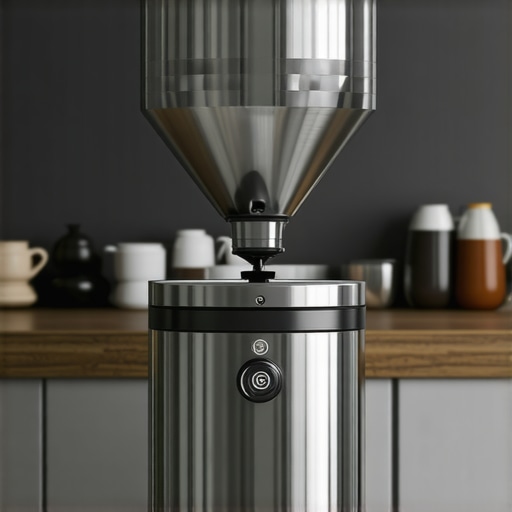
I remember the moment vividly: my grinder’s hopper was overflowing, beans spilling everywhere, and I was frustrated beyond measure. Despite owning what seemed like a top-of-the-line burr grinder, I kept battling grind inconsistencies and static clinging to my beans like a stubborn shadow. It hit me—my hopper was the problem. That lightbulb moment changed everything. Today, I want to share why ditching the traditional hopper became the best decision I made for my coffee routine.
Breaking Free from the Hopper: A Personal Revelation
For years, I believed that a large hopper meant convenience and efficiency. But in practice, it was a source of mess, static, and uneven grounds, wrecking my brew and wasting precious beans. The static issue alone was maddening—beans jumping out of the grinder, creating a trail of disaster on my kitchen counter. I realized I wasn’t alone in this struggle, and many coffee enthusiasts face the same frustrations. In fact, recent studies show that static buildup can significantly affect grind quality, leading to inconsistent extraction and flavor loss (source).
The solution? I started exploring alternatives—single dose grinders, precision burrs, and the undeniable benefits of doing away with the hopper altogether. The results were remarkable: cleaner workspaces, more consistent grinds, and a fresher taste profile. Plus, I no longer had to wrestle with static or deal with messy spills. This personal experience sparked my curiosity to delve deeper into why ditching the hopper is becoming a game-changer for coffee lovers in 2026.
What if Your Grinder’s Hopper Is Holding You Back?
Early on, I made the mistake of thinking my grinder’s large hopper was a necessity. I didn’t realize that this one feature was silently sabotaging my brewing process. Since then, I’ve discovered expert tips and tricks that can help you avoid this common pitfall. If you’re tired of inconsistent grounds, static, and messy counters, you might be facing the same problem. But don’t worry—there are smarter, cleaner ways to grind coffee that can elevate your experience. Next, we’ll explore whether leaving the hopper behind is truly worth the hype for serious coffee enthusiasts like you and me.
Are you currently struggling with static or messes caused by your grinder’s hopper? If so, you’re not alone—and help is available.
Simplify Your Setup for Better Results
Start by disconnecting your hopper. Remove it carefully, ensuring no beans spill. This creates a single-dose environment, which reduces static buildup and channeling issues, leading to more uniform grounds. Use a catcher or small container beneath to collect stray beans during this step. This initial change can significantly improve grind consistency, especially if static was causing clumping or uneven particles.
Adjust Your Burrs for Precision
Next, focus on burr alignment. With the hopper removed, inspect the burrs for misalignment or wobble. Perform a quick test with a coin or a specialized shim to verify if your burrs sit flush. Misaligned burrs cause inconsistent particle sizes, impacting extraction. For detailed alignment techniques, consult this guide. Proper alignment ensures each grind is uniform, enhancing flavor clarity and espresso crema.
Handle Burr Wobble and Worn Parts
If you notice wobbling or uneven movement, tighten burr mounting screws or consider replacing worn burrs. Many high-end flat burrs maximize surface contact for consistent grinding. Regular maintenance guarantees your grinder produces reliable, high-quality grounds.
Adjust Grind Settings for Consistency
Without the hopper, dial in your grind settings precisely. Use a scale for measuring beans to repeat your settings accurately. Start with a medium setting; then, fine-tune based on extraction results. For more guidance, see this expert advice. Consistent settings eliminate variables, resulting in an even particle distribution essential for perfect extraction.
Implement Workflowroutines to Maintain Precision
Adopt a workflow that includes regular burr cleaning to prevent old grounds from affecting new ones. Use a brush to clear out residual particles, especially in the burr cavity. When grinding, use single-dose methods or timed intervals to control dose size better. Tools like workflow hacks streamline this process. These steps reduce static and help you maintain consistency shot after shot.
Minimize Static for Perfect Particle Delivery
Static contributes heavily to uneven grounds. To counteract static, consider installing static removal accessories or using anti-static brushes before each grind. Some enthusiasts also test plasma generator solutions that neutralize static charges. These improvements ensure grounds fall smoothly into your portafilter, delivering uniformity and preventing channeling.
Test and Calibrate Regularly
Finally, treat calibration as an ongoing process. Conduct grind tests using a sieving system or by brewing test shots to evaluate extraction quality. Adjust settings accordingly, noting the impact of each tweak. Continuous calibration ensures your grinder stays in peak condition, enabling you to consistently produce high-quality espresso with a clean, static-free grind.Many coffee enthusiasts cling to misconceptions about grinders that can hinder their pursuit of perfect espresso. One widespread myth is that larger burrs always produce better grounds, but in reality, the quality and configuration of burrs, such as 98mm flat burrs, often matter more than size alone. Additionally, some believe that grinding finer always leads to better extraction, but over-fineness can cause channeling and bitterness, especially if grind consistency isn’t maintained.
A common trap is assuming that high RPM motors automatically translate to better results. In fact, higher RPMs can generate excessive heat, degrading coffee oils and harming flavor, which highlights the importance of rpm regulation for preserving freshness. Moreover, many believe static is inevitable with single-dose grinders, but innovations like static-neutralizing accessories offer effective solutions, as discussed in static fixes.
Beware the myth that all burr grinders are equal; in truth, not all grinders produce uniform grounds. Variations in burr design, alignment, and calibration significantly influence grind consistency. Advanced users understand that a well-maintained, correctly aligned grinder with appropriate burrs is essential for extracting complex flavors.
Another overlooked factor is the impact of moisture and humidity, which can cause clumping and inconsistency, especially if your grinder isn’t properly sealed or cleaned regularly. Regular maintenance and environment control are critical to sustain grind quality over time.
So, what are the most common pitfalls? Falling for oversimplified advice like “bigger is better” or “finer always equals better” can lead to subpar brews. Instead, focusing on precise calibration, proper burr configuration, and understanding the nuances of static, heat, and wear can make a profound difference. Let this be a reminder: mastery isn’t just about equipment but about understanding your grinder’s quirks and capabilities.
Have you ever fallen into this trap? Let me know in the comments. Remember, optimizing your grinder is a continuous journey—staying informed and attentive ensures you keep brewing exceptional coffee every time.
Maintaining your coffee grinder, especially a precision burr grinder used for espresso, is crucial for long-term performance and consistent results. One of the best tools I’ve personally found invaluable is a high-quality cleaning and calibration toolkit. It allows me to perform detailed burr alignment and cleaning routines that keep my grinder performing at peak levels. Additionally, investing in a set of titanium-coated burrs has extended the lifespan of my grinder, ensuring grind consistency over thousands of shots.
Tools such as a burr alignment gauge help detect misalignments early, preventing channeling and uneven extraction. Regularly checking and adjusting burr alignment every few weeks can preserve grind uniformity and flavor clarity. To tackle static buildup, I use an anti-static brush and occasionally install static neutralizing accessories, which drastically reduce mess and clumping during grinding.
Furthermore, I suggest scheduling routine maintenance—disassembling and cleaning your burrs every 1-2 months depending on usage frequency. This not only minimizes wear but also prevents old grounds from contaminating fresh coffee, which is vital for preserving grind consistency. The future of grinder maintenance points toward smart calibration devices that connect via Bluetooth, allowing for real-time adjustments and performance tracking.
How do I maintain my espresso grinder over time? I dedicate 15 minutes weekly to cleaning burrs and calibrating the grind settings. I use a specialized brush to clear debris and a simple shim to ensure perfect burr alignment. As the technology advances, I predict tools like automated calibration sensors will become standard, making it even easier to sustain optimal performance. Don’t be afraid to incorporate these advanced techniques into your routine—try a burr alignment test today, and experience the difference it makes in your shot quality.
Why I Stopped Trusting Conventional Hoppers and Never Looked Back
It took a frustrating mess and inconsistent shots to realize that my beloved grinder’s hopper was my biggest enemy. Ditching it transformed my workflow, reduced static, and brought a noticeable upgrade in flavor purity. This lightbulb moment taught me that less can truly be more, especially when it comes to achieving grind finesse.
Lessons That Were Hard to Learn but Changed My Approach
- The Size Trap: Bigger hoppers promise convenience, but they often cause static and uneven particle distribution. Simplifying my setup resulted in more consistent extraction.
- Alignment Is King: Regularly checking and fine-tuning burr alignment kept my grind uniform and prevented channeling. Small tweaks, big impact.
- Static Is Solvable: Installing static-reducing accessories and cleaning routines eliminated most mess and clumping, ensuring grounds fall smoothly into the portafilter.
Tools and Resources That Keep My Coffee Sharp
If you’re serious about perfecting your espresso grind, I highly recommend exploring this comprehensive guide. For maintenance and calibration, I trust a burr alignment gauge and top-tier burrs. These tools have consistently elevated my grind consistency and flavor clarity.
Take Action and Elevate Your Espresso Game Today
Embracing the idea of single-dose grinding and rigorous calibration has unlocked new levels of flavor richness and shot-to-shot consistency. It’s a journey worth undertaking, and you’re already on the right path by reading and seeking improvement. Your perfect espresso awaits—start tweaking today!
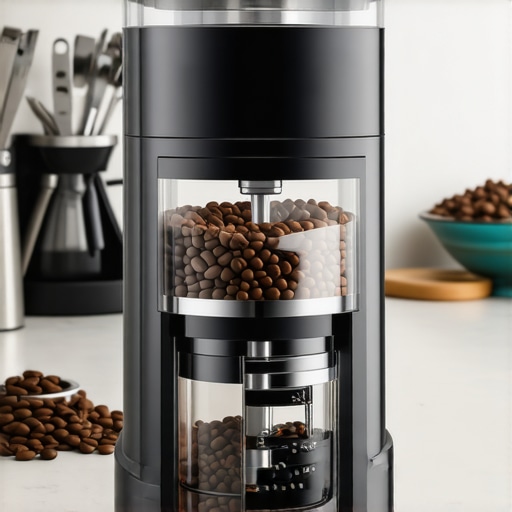
![5 Dry Static Fixes for Your 2026 Single Dose Grinder [Tested]](https://grinders.espressotechguide.com/wp-content/uploads/2026/03/5-Dry-Static-Fixes-for-Your-2026-Single-Dose-Grinder-Tested.jpeg)