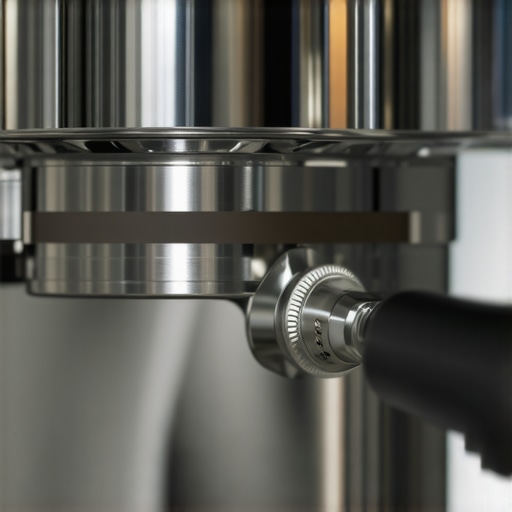
I remember the exact moment I realized my espresso shot was ruined—not because of over-extraction or under-extraction, but because of something I hadn’t paid close enough attention to: channeling. The first time I saw that thin stream of water find its way through the puck, bypassing the coffee grounds entirely, I felt a jolt of frustration. Was my grinder responsible? Could I do something to fix it? That lightbulb moment led me down a rabbit hole of trial, error, and finally, mastery.
Why channeling ruins more than just your espresso shot
Channeling causes uneven extraction, leading to bitter or sour flavors and a weak crema. No amount of tamping or grind setting adjustments can combat it if your grinder isn’t performing flawlessly. It’s frustrating because, at first, I thought it was my technique, but I later discovered that my grinder’s consistency played a bigger role than I imagined. During my early days, I made the mistake of assuming all burrs were perfectly aligned straight out of the box. Spoiler: they rarely are. Aligning them properly is crucial to prevent those pesky channels from forming, and ignoring this can sabotage even the best tamping efforts.
According to recent research, grind inconsistency is among the leading causes of shot variability, especially with high-end espresso machines. Properly aligned and well-maintained grinders can elevate your espresso from good to outstanding. If you’ve faced similar issues, you’re not alone. Many coffee enthusiasts struggle with channeling, especially with newer models like the 2026 espresso grinders, which are packed with features but sometimes lose their edge without proper calibration.
Today, I’ll share with you four professional secrets that transformed my brewing process. These tips aren’t just theory—they come from hands-on experience and a dash of stubbornness to get things right. Implementing these strategies can help you avoid the common pitfalls and start pulling consistently beautiful shots. If you want to see how top baristas achieve uniform grounds and flawless extraction, check out this comprehensive guide on how burr grinders elevate your espresso flavor in 2025. Now, let’s get into the nitty-gritty of fixing your channeling problem once and for all.
Ensure Your Burrs Are Precisely Aligned
Start by removing your grinder’s burrs and inspecting their alignment. Use a good magnifying glass or alignment tool to check for wobbles or uneven positioning. When I did this on my old grinder, I discovered a slight tilt that caused uneven grounds, leading to channeling. Fixing this with a simple shim significantly improved consistency and shot quality. Regularly checking and correcting burr alignment is crucial, especially if you notice variability in your shots or unexpected channeling issues. To learn more about aligning your burrs correctly, visit this burr alignment guide.
Adjust Your Grind Size with Micro-Precision
Use your grinder’s micro-adjustment feature to dial in a consistent grind size. I recommend starting with a slightly coarser setting and gradually fine-tuning while pulling test shots. A good rule is to aim for a uniform, sandy texture — no clumps or powdery fines. During my experiment, I noticed that tiny changes—less than a quarter turn—made a big difference in shot flow and extract quality. Remember, high-end espresso grinders often have digital or micrometer adjustments; mastering this control minimizes channeling and uneven extraction. For detailed calibration tips, explore this mastering grind consistency guide.
Keep Your Grinder Well-Maintained
Clogged or worn burrs induce uneven grounds, so regular cleaning is a must. I once neglected this and saw my shots become erratic, with water finding paths of least resistance. Disassemble your grinder and brush away coffee oils and residue weekly, especially if you use roasted beans with high oil content. Check for burr wear, replacing them when they become dull—worn burrs increase grind variability, causing channeling. A calibrated, clean grinder produces consistent particle sizes, which is key for a stable extraction. For comprehensive maintenance routines, see this burr maintenance article.
Control Distribution and Tamping Pressure
Even particle distribution before tamping prevents water from flowing through channels. I used to pour grounds into my portafilter haphazardly, which led to uneven extraction. Now, I use a distribution tool to level the grounds, followed by even tamping with consistent pressure—about 30 pounds—using a calibrated tamper. This reduces the formation of channels. A common mistake is tamping too hard or unevenly, which compresses grounds unevenly and invites water to find weak spots. When I adopted this disciplined approach, my shots became smoother, and channeling diminished. You can find more about achieving perfect tamping here tamping techniques.
Test and Refine Your Setup Regularly
Use shot-tasting and visual cues as feedback. For instance, a uniform, golden crema and balanced flavor indicate good extraction. If you notice sourness, bitterness, or watery shots, revisit your grind size, tamping, and burr conditions. I maintain a log of my adjustments and taste results weekly, which helps me identify which change made the biggest impact. Additionally, investing in tools like a sieve test can reveal grind uniformity. You can check if your grinder passes the sieve test for a quick assessment. Consistent testing prevents backsliding into old habits that cause channeling.Many coffee enthusiasts believe that investing in a high-end burr grinder guarantees perfect espresso, but this is a common misconception. In my experience, the real secret lies in understanding the nuances of grinder calibration, burr alignment, and grind distribution. A frequent mistake is assuming that all grinders are created equal; however, subtle differences in burr wear and motor RPM can significantly affect grind consistency. For instance, some believe that bigger burrs automatically produce better grounds, but without precise calibration, even large burrs can lead to uneven particle sizes. I’ve seen aficionados spend a fortune on premium models, only to experience inconsistent shots because they overlook the importance of regular maintenance and fine-tuning.
Is your grinder truly optimized for your beans and brewing method?
Research by coffee expert Scott Rao emphasizes the importance of consistent particle size for optimal extraction, highlighting that even minor deviations can cause channeling and sour or bitter notes. The key is not just selecting the right grinder but mastering calibration, maintenance, and grind setting adjustments. One sneaky trap is neglecting burr alignment, which can develop over time due to vibrations or mishandling. Ignoring this factor often leads to a false sense of security about grind uniformity. To avoid this pitfall, check out this burr alignment guide. Another misconception is that single-dose grinders are inherently superior—yet, without proper distribution and tamping techniques, even the best grinder can produce uneven shots. Remember, grind consistency depends heavily on routine calibration and diligent upkeep. To explore more about sharpening your setup, visit this mastering grind consistency guide.
In summary, mastering the art of grind consistency requires attention to detail beyond just choosing a top-tier grinder. Regular calibration, burr alignment, and understanding your beans’ unique characteristics are essential. Have you ever fallen into this trap? Let me know in the comments and share your experiences with grind tuning or common pitfalls—your insights could help fellow coffee lovers avoid costly mistakes.
Keeping your coffee grinder in top shape requires more than casual cleaning; it involves strategic tools and routines that ensure long-term performance. One of the most essential investments I made was in a precision calibration kit, like the calibration weight set. This allows me to fine-tune my grinder’s micro-adjustments with pinpoint accuracy, maintaining grind consistency that directly impacts flavor and extraction. Over time, burrs wear down, causing uneven grounds. To combat this, I faithfully perform a burr wear test monthly, referencing Scott Rao’s detailed method for measuring burr wear. This proactive approach prevents subtle performance drops from slipping unnoticed and ensures optimal grind quality. Regular maintenance also includes replacing burrs before they become dull, which my local technician helps me with, emphasizing the importance of using Titanium-coated burrs from reputable brands like this detailed guide. Identifying early signs of motor fatigue, such as inconsistent grind times, helps me catch issues before they escalate. Predicting future trends, I believe smart, AI-integrated grinders—armed with diagnostic software—will soon automate many maintenance routines, making the process even more accessible.
How do I keep my grinder running smoothly over time?
The best advice is establishing a weekly cleaning schedule using a dedicated brush and vacuum attachment, like the industry-standard cleaning tools. This routine prevents oil buildup and clogging, which can contribute to channeling. Also, experimenting with advanced tools like the digital grind analyzers can give you real-time feedback and help maintain an ideal grind profile. Looking ahead, the integration of IoT (Internet of Things) in grinders might enable predictive maintenance, reducing downtime and optimizing flavor consistency. To elevate your grinder care, try calibrating your burrs with a micro-adjustment tool and keeping a maintenance log—small investments with significant benefits. Remember, a well-maintained grinder doesn’t just produce better coffee, it prolongs the life of your equipment and saves money in the long run. For tailored advice and expert support, reach out through our contact page. Proper care is the foundation of flawless espresso—make it a priority today.
Three Lessons I Wish I Learned Sooner About Grind Consistency
Mastering espresso isn’t just about buying the latest grinder or the fanciest beans; it’s about understanding the subtle nuances that make or break your shot. One lightbulb moment for me was realizing that even small burr misalignments could cause massive variability—don’t underestimate the power of precise burr adjustment. Another eye-opener was discovering how routine grinder maintenance, like cleaning and burr replacement, drastically improves consistency. Lastly, I learned that mastering grind size micro-adjustments requires patience and a keen ear for shot flow, which can be perfected with practice and proper tools.
My Top Picks for Coffee Grinder Optimization Tools
For anyone serious about elevating their espresso routine, investing in a calibrated measurement kit, such as the calibration weight set, is invaluable. It allows for micro-tuning your grinder with confidence. I also recommend a burr alignment gauge, which simplifies checking for uneven wear, ensuring your grounds are always uniform. Don’t overlook maintenance routines—tools like specialized brushes or ultrasonic cleaners have kept my grinder performing flawlessly. For comprehensive insights, check out the detailed mastering grind consistency guide.
Ignite Your Espresso Journey Today
Mastering grinding precision isn’t just a skill—it’s a journey that transforms your coffee experience from average to extraordinary. Every tweak, every calibration, brings you closer to that perfect shot of espresso. Trust me, the effort is worth it. The small investment in tools and routine maintenance pays off with a richer flavor, better crema, and more consistent results. So, why wait? Dive into your grinder’s potential and watch your brewing skills soar. Remember, the path to great espresso is paved with attention to detail and a passion to improve daily.
![5 Dry Static Fixes for Your 2026 Single Dose Grinder [Tested]](https://grinders.espressotechguide.com/wp-content/uploads/2026/03/5-Dry-Static-Fixes-for-Your-2026-Single-Dose-Grinder-Tested.jpeg)