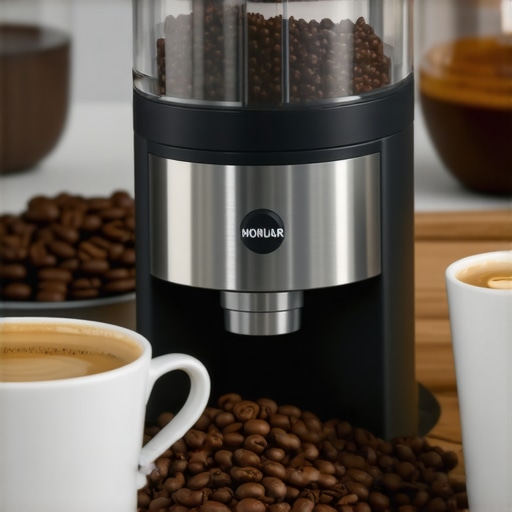
Ever spent a fortune on an espresso machine, only to find your brew tasting flat, bitter, or inconsistent? I’ve been there. I remember the lightbulb moment when I realized my problem wasn’t the machine or the beans, but the grind. That tiny, seemingly insignificant detail that can make or break your espresso game.
Why Your Coffee Needs a Precision Grind Every Time
When I first started exploring high-quality espresso at home, I was baffled by the inconsistent results. One day, it was perfect; the next, it was a disaster. Turns out, the secret lies in the grinder. Specifically, using a single dose burr grinder. These grinders allow for precise control over grind size, which is crucial for extracting the best flavor.
But why does grind size matter so much? Well, espresso is all about timing and resistance. Too fine, and the water struggles to pass through, leading to over-extraction and bitterness. Too coarse, and it under-extracts, leaving your shot weak and sour. The right grind, consistently applied, unlocks the aroma, body, and sweetness locked inside your beans.
Is the Hype About Single Dose Grinders Justified?
Initially, I was skeptical about the whole single dose thing. I thought, “How much difference can it really make?” Spoiler: a lot. Early on, I made the mistake of using my bulk grinder for single shots, which led to inconsistent results and wasted coffee. That mistake taught me the importance of dedicated equipment designed for espresso precision. If you’re serious about elevating your brew, it’s worth exploring the best single dose burr grinders.
So, if you’ve faced frustrations with uneven grinds or wasted coffee, you’re not alone. Many espresso lovers find that investing in the right grinder and learning to dial in the grind size is transformative. In this guide, I’ll walk you through everything you need to know—from choosing the right grinder to mastering grind consistency—so you can finally enjoy that perfect shot every time.
Set Up Your Grinder with Precision
Start by choosing a dedicated single dose burr grinder that matches your brewing needs. Place your grinder on a stable surface to eliminate vibrations that can alter grind consistency. Before dialing in, ensure the grind settings are clean and free from old coffee residues, which can affect grind size uniformity. I once spent an afternoon cleaning my grinder and adjusting the burrs, only to find that my shots became noticeably more consistent after this simple step.
Dial in Your Grind Size with Micro-Adjustments
Adjust the grind size in small, incremental steps—think of it like tuning a musical instrument. Use the grinder’s micro-adjustments feature if available; this allows for precise control over particle size. When I first tried this, I took notes on each adjustment to track the perfect setting. It was messy and took time, but I finally achieved a grind that produced a shot with the ideal extraction time. For detailed tips, check out how burr grinders elevate your espresso flavor.
Weigh Your Coffee Dose for Consistency
Using a scale, measure out your coffee dose precisely—typically between 18-20 grams for a double shot. I recommend weighing each dose to avoid variability. Pour your beans into the grinder, and once you have the right grind setting, grind directly into a dosing cup or portafilter. This minimizes exposure to air and preserves freshness. I once used a scoop instead of weighing, and the shot tasted off; switching back to precise measurements restored the flavor.
Tamp with Uniform Pressure
After dosing, distribute the grounds evenly, then apply consistent pressure when tamping—about 30 pounds of force. Use a tamper with a textured handle for grip, or a tamper with a built-in pressure gauge to standardize your tamping force. I found that practicing with a bathroom scale helped me develop a feel for the right pressure, resulting in more uniform shots every time. For more on perfect tamping techniques, see mastering grind consistency secrets.
Test and Fine-Tune Your Settings
Pull a shot and observe the extraction time—aim for 25-30 seconds. If it’s too fast, tighten the grind; if too slow, loosen it. Record these adjustments. I kept a log of each shot, which eventually guided me to the optimal grind size and dose. Remember, small tweaks can significantly impact flavor, so make adjustments gradually. For detailed calibration techniques, visit how to achieve perfect grind consistency.
Maintain Your Grinder for Long-Term Consistency
Regular cleaning prevents coffee oils and residues from affecting grind quality. Disassemble and brush the burrs weekly, and deep clean monthly using manufacturer-recommended methods. I set a reminder to clean my grinder every 200 shots, which helped me sustain consistency and flavor. Proper maintenance is a key step in ensuring your grinder continues producing uniform grounds. Learn more about maintenance at burr vs flat grinders comparison.
Many espresso enthusiasts believe that once you’ve dialed in your grinder, you’re set for perfect results every time. However, this is a misconception that can lead to subpar brews if overlooked. The reality is that even the best grinders require ongoing attention and nuanced adjustments to maintain optimal grind consistency and flavor extraction.
One of the most widespread myths is that larger, commercial-grade grinders automatically deliver superior consistency. While they are capable of more precise adjustments, they still need regular calibration and cleaning to perform at their best. Failing to maintain your grinder can cause uneven particle distribution, which directly impacts extraction quality and taste. For example, residues and oils build up over time, clogging burrs and leading to inconsistent grind sizes, a trap that many home baristas fall into. Regular maintenance, like those recommended at our maintenance guide, helps sustain grind quality and flavor clarity.
Another common misconception is that grind size adjustments should be drastic to see immediate effects. In reality, small, incremental changes—often just a fraction of a turn—are more effective for fine-tuning your shot. Significant adjustments can cause the grind to shift outside of the ideal range, leading to over- or under-extraction. Advanced users understand that patience and precision in adjustments, coupled with consistent dosing and tamping, are what produce that sweet spot for every shot. For insights on micro-adjustments, visit this detailed guide.
Why do some baristas insist on weighing every dose?
Weighing your coffee grounds isn’t just about accuracy; it’s about consistency. Many believe that volume measurements are sufficient, but even slight variations in dose weight can significantly alter extraction time and flavor profile. Experts, including top baristas, emphasize that precise dosing—say, 18.5 grams instead of 19 grams—can be the difference between a good shot and an exceptional one. This nuance is often overlooked by beginners but is crucial for replicable results. Check out our tips on dosing precision to master this aspect.
Finally, many overlook the importance of understanding grind distribution within the portafilter. Even with a perfect grind size and dose, uneven distribution can cause channeling, which leads to uneven extraction. Using a distribution tool or simply tapping and leveling the grounds can dramatically improve shot consistency. Remember, the devil is in the details, and paying attention to these advanced nuances elevates your brewing from good to extraordinary. Have you ever fallen into this trap? Let me know in the comments!
Keep Your Gear Running Smoothly for Consistent Results
Maintaining your espresso grinder is crucial if you want to preserve that perfect grind consistency over time. Regular cleaning isn’t just a chore; it’s an investment in your coffee’s flavor and your brewing reliability. Personally, I schedule a weekly disassembly where I brush off coffee residues from the burrs and clean the chute thoroughly. This simple habit prevents oil buildup that can clog the burrs, which, according to our maintenance guide, can cause uneven grind sizes and bitter flavors. Deep cleaning every month using manufacturer-approved solutions ensures that tiny particles don’t compromise your shot quality. Using a soft brush and a microfiber cloth, I wipe every accessible part, paying special attention to the burrs and grind chamber. This routine keeps the grinder performing at its best, extending its lifespan and ensuring your shots are consistently excellent.
How do I maintain my grinder over time?
The key to long-term performance is a disciplined cleaning schedule, paired with periodic calibration. Keep a log of your cleaning and calibration dates, and note any changes in grind quality. When I notice my shots pulling faster or slower than usual, I revisit my calibration settings, often just a tiny micro-adjustment, which can be found on most high-quality single dose burr grinders. Remember, the less residue and oil in your grinder, the more stable your grind consistency will be, making your espresso taste vividly fresh and well-balanced.
Tools I Recommend for Perfect Grinding
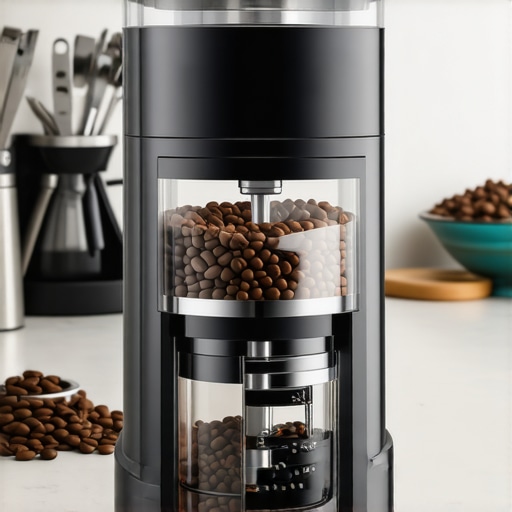
When it comes to tools, my top recommendation is a high-quality micro-adjustable burr grinder. I personally use the Niche Zero because of its precise grind settings, sturdy build, and ease of cleaning. Its single dose design minimizes waste and ensures consistency in every shot. For calibration, I recommend a digital scale like the Hario Scale, which I use to weigh every dose—accuracy that’s essential for reproducible results. Additionally, a specialized cleaning kit with brushes and cleaning tablets helps maintain the burrs without dismantling the entire grinder each time. These tools, coupled with my regular maintenance routine, keep my grinder performing like new, shot after shot.
Looking Ahead: The Future of Grinder Maintenance and Tools
As technology advances, I predict that smart grinders with integrated sensors and self-cleaning capabilities will become standard. Imagine a grinder that alerts you when cleaning is due or automatically adjusts calibration based on usage patterns. For now, the best approach is to combine high-quality equipment with disciplined maintenance routines. I encourage you to try implementing a monthly deep clean using a dedicated cleaning kit, as this small step can dramatically improve your grind consistency and flavor clarity. For detailed insights, visit this comprehensive guide and discover how the right tools and habits can elevate your espresso game to professional levels.
Throughout my journey into espresso perfection, I learned that the smallest details, like grind consistency, can make or break your brew. The biggest breakthrough came when I realized that even tiny micro-adjustments in my grinder could dramatically improve flavor and shot stability.
The Hardest Lesson I Learned About Espresso Grinding
Initially, I believed that once I found a grind setting that worked, I was set for life. But I quickly discovered that grind quality can drift over time due to burr wear, humidity, and residue buildup. Regular recalibration and cleaning became my secret weapons. I also learned that relying solely on visual cues is a mistake; weighing doses and timing extraction are critical for consistency.
Tools That Transformed My Espresso Routine
The Niche Zero grinder became my trusted partner because of its precise micro-adjustments and straightforward maintenance. Paired with a digital scale like the Hario Scale, I achieved a level of control I never thought possible. Lastly, a dedicated cleaning kit helped me keep my grinder in top shape, ensuring every shot was as good as the first.
![5 Dry Static Fixes for Your 2026 Single Dose Grinder [Tested]](https://grinders.espressotechguide.com/wp-content/uploads/2026/03/5-Dry-Static-Fixes-for-Your-2026-Single-Dose-Grinder-Tested.jpeg)