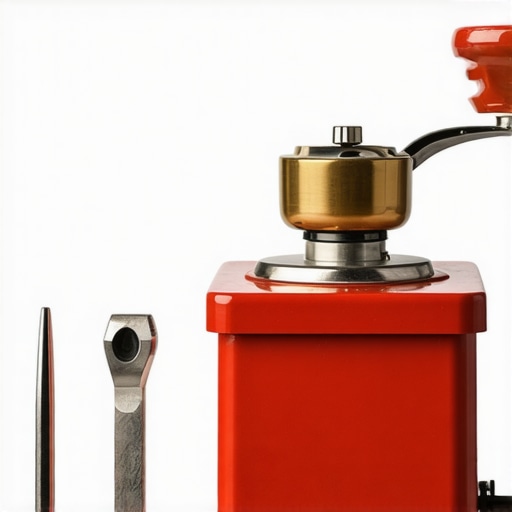
It happens in an instant. You sit down to enjoy that perfect shot of espresso, and suddenly, instead of the smooth, rich pour you imagined, you’re faced with a noisy, uneven grind that turns your morning ritual into a frustrating lottery. One day, your beloved burr grinder is humming along beautifully. The next, it’s throwing a popcorn-party—random, inconsistent grounds that ruin your brew. I’ve been there, pounding my fist against the countertop, wondering what went wrong. And honestly, it’s a familiar nightmare for many espresso lovers who rely on single dose grinders.
Trust me, I’ve made the mistake early on of ignoring basic alignment issues. That simple oversight caused a cascade of problems—static, retention, inconsistent grind size—that I couldn’t fix with fancy gadgets or tech tricks. But after some trial, error, and a few expert tips, I discovered that most of these issues boil down to just a few quick, practical fixes. Today, I want to share those with you, so you can get back to brewing without the noise or mess.
Why grind consistency and static control matter in 2026
If your grind isn’t consistent, you’re fighting an uphill battle for that perfect shot. Research shows that burr design and grind uniformity are more crucial than ever for flavor extraction. Static and retention are sneaky culprits that create uneven grounds, leading to over-extraction or channeling. If you’ve experienced that dreaded popcorning or static shock, you’re not alone. The good news? With a few simple adjustments, you can tame these issues—saving your beans, your patience, and your espresso.
Sound interesting? Whether you’re a casual sipper or a dedicated home barista, tackling popcorning and grind inconsistency can transform your coffee game. Let’s explore exactly how to do it, starting with the most common and stubborn fix—aligning your burrs just right.
Is grind chatter really a big deal, or just a coffee myth?
Early on, I dismissed grind chatter as just a noisy annoyance—until I realized it was a sign my grinder was misaligned. That mistake cost me shots and beans. Trusted sources like espresso experts confirm that proper burr alignment isn’t just about noise; it’s about precision and taste. So, if you’ve been ignoring the sound, it might be time to pay closer attention. Ready to fix that static, reduce retention, and improve your grind consistency? Stick with me, because the solutions are simpler than you think, and they can make a world of difference.
Align Your Burrs Precisely to Start
One of the most straightforward fixes is ensuring your burrs are perfectly aligned. Think of your burr grinder like a set of gears; if they misalign, the grinding isn’t uniform, leading to inconsistent grounds. I remember the first time I adjusted mine—using a simple test available on the alignment marker test. I loosened the burrs slightly, rotated them slowly until I found that sweet spot, and then tightened. The result? Smoother, more consistent grind and a noticeable reduction in static and retention. This initial tweak alone can significantly improve your shot quality, making your grind more predictable and your brewing more satisfying.
Calibrate Burrs with a Spacer or Gauge
Next, consider using a calibration gauge or spacer—these tools help set your burrs at the optimal distance apart for your preferred grind size. For single-dose grinders, this is crucial because even a tiny mismatch can cause grind variability. I once used a feeler gauge, similar to mechanics’ tools, to measure the gap precisely. It was a bit messy, but after a few tries, I achieved a consistent grind size that matched my espresso requirements. This process ensures that static build-up diminishes since uniform burr spacing reduces irregularities that cause static and clumping. For detailed steps, check the comprehensive guide.
Adjust Your Dosing Technique for Better Consistency
Single dose grinding shines when you control your dosing precisely. Instead of relying on a hopper, measure your beans with a scale—aim for a consistent weight, such as 18-20 grams, depending on your basket size. My favorite method is to weigh each shot—initially, it felt tedious, but it paid off in uniformity. Grinding directly into a small container or portafilter reduces static erosion caused by static charges and air fluctuations. Practicing this helps stabilize grind size and minimizes retention issues. To get tips from experts on perfect dosing methods, explore the best practices.
Tame Static with Proper Material Choices and Grounding
Static buildup is often overlooked but can wreak havoc on grind consistency. I replaced my plastic grind chamber with a metal one, which drastically cut down static shocks and static cling. Additionally, grounding your grinder to the electrical outlet helps dissipate static charges that cause coffee grounds to cling to the chamber and tools. Sometimes, a simple wipe of the chamber with a damp cloth before grinding also helps. These are practical steps that, when combined with burr alignment, create a harmonious environment for consistent grinding. For more on static solutions, check the detailed static control tips.
Routine Maintenance and Cleanliness
Finally, a disciplined cleaning routine prevents buildup that causes uneven grinding. Dismantle your burrs weekly, remove old coffee residues, and brush away any stuck particles. I found that simply running a dry brush over the burrs regularly kept static at bay and maintained consistent grounds. Regular maintenance ensures your grinder’s burrs stay sharp and aligned, directly affecting grind size consistency and static levels. For step-by-step cleaning advice, visit the contact page for expert support or tutorials.
Many enthusiasts believe that achieving perfect espresso grind consistency hinges solely on the quality of their burr grinder or the precision of their adjustments. However, this common misconception often masks deeper nuances that can make or break your brew. Contrary to popular belief, focusing only on burr quality and basic calibration might lead you astray. Advanced baristas know that factors like burr geometry, material fatigue, and even the grind environment play crucial roles in maintaining peak performance over time.
For example, the shape and material of burrs influence not just initial grind quality but also how well they retain sharpness and produce uniform grounds under real-world conditions. Many assume that a burr grinder’s performance remains static, but in truth, burr wear can subtly shift grind consistency, especially when not regularly monitored. Ignoring this leads to a common ‘oops’—believing your grinder is calibrated perfectly when, in fact, it’s gradually losing precision.
A trap worth avoiding is over-relying on static calibration techniques or static settings, without considering how factors like static buildup, chamber material, or even ambient humidity can impact grind uniformity. Static charges, for instance, can cause grounds to clump, creating false impressions of inconsistency. Advanced static control strategies often involve material choices and grounding practices that are overlooked by average users.
How can a deeper understanding of burr wear and environment influence your grind?
Beyond just maintaining alignment, paying attention to burr maintenance—like cleaning, sharpening, or replacing worn burrs—can preserve your grinder’s ability to produce uniform grounds consistently. Additionally, controlling your grind environment—reducing static, managing humidity, and choosing the right chamber materials—can significantly enhance stability. Studies reveal that static-related flaws can be minimized through material optimization and grounding techniques.
In essence, the secret to true grind consistency involves embracing a holistic approach: regular maintenance, advanced static management, understanding burr wear patterns, and environmental controls. These factors together uphold the integrity of your grind, ensuring each shot is as exquisite as your efforts deserve. For in-depth insights, see the cornerstone guide on how burr design impacts flavor and professional tips on grind mastery.
Have you ever fallen into this trap? Let me know in the comments. Remember, understanding these nuances can elevate your espresso game from good to exceptional.
Maintaining your espresso grinder isn’t just about occasional cleaning; it involves a series of deliberate, precise steps that ensure long-term consistency and optimal flavor extraction. One tool I swear by is a dedicated calibration gauge. I personally use the calibration spacer because it allows me to set the burr gap with surgical accuracy, which is critical for maintaining grind uniformity over months of use. Regularly checking this gap prevents subtle wear from causing inconsistencies, especially important as burrs naturally dull over time.
Schedule routine deep cleans every 2-4 weeks, depending on your usage. I use a specialized picker brush to remove coffee grounds lodged in burr crevices, which static buildup can obscure. Short-term, a quick wipe of the chamber with a damp cloth reduces static charges that cause grounds to cling, but a thorough clean maintains the grinder’s precision for years to come. Integrating these cleaning routines also minimizes caking and static-generated retention—both enemies of grind consistency.
For more advanced maintenance, I recommend investing in a burr sharpener. Periodic honing restores burr edges, especially after extensive use, preventing subtle shifts in grind size. I suggest setting a maintenance schedule aligned with your usage frequency—think of it as tuning a musical instrument. Keeping your grinder in tune ensures each shot stays consistent, preserving your coffee’s flavor profile and crema quality.
Looking ahead, industry trends point towards smarter grinders equipped with integrated sensors that monitor wear and suggest when to recalibrate or replace burrs. In the meantime, mastering proper maintenance routines remains the most practical way to safeguard your investment and elevate your espresso experience. One advanced tip I highly recommend is regularly applying a burr conditioner—like a light oil—specifically designed for grinder parts. This practice can reduce static buildup and wear, making your grinding process smoother and more consistent.
Don’t wait for your grind to become uneven; try incorporating a monthly calibration check with a spacer to stay ahead of burr wear. Small, consistent maintenance not only extends your grinder’s lifespan but also ensures every shot is as flavorful and rich as the first. Remember, a well-maintained grinder is the foundation of great espresso—invest in its upkeep, and your coffee will thank you.
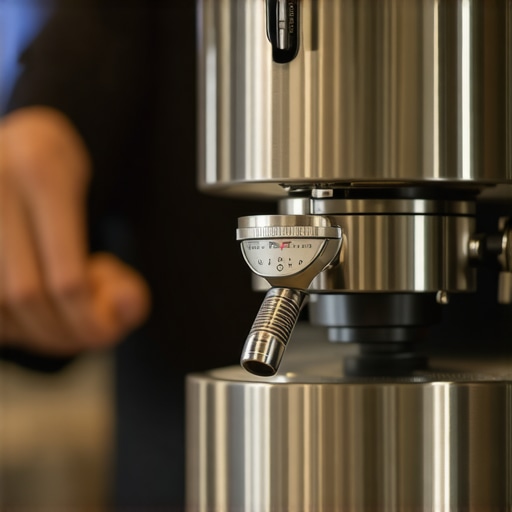
The Hardest Lesson I Learned About Espresso Grinder, Grind Consistency, Single Dose Grinder, Coffee Grinder, Burr Grinder
One of the most eye-opening realizations I encountered was how burr wear subtly erodes grind precision over time. I used to believe that once I calibrated my grinder, it would stay that way indefinitely. But ignoring signs of burr dulling led to inconsistent extractions and wasted beans. Now I understand that regular inspection and timely replacement of burrs are crucial steps in maintaining peak performance, a lesson I wish I grasped earlier.
3 Myths About Espresso Grinder, Grind Consistency, Single Dose Grinder, Coffee Grinder, Burr Grinder That Held Me Back
Firstly, the misconception that static is just a minor annoyance prevented many from adopting static-control strategies, which are actually game-changers in achieving uniform grounds. Secondly, thinking that a perfectly aligned burrs equals lifelong accuracy overlooks the wear and environmental factors that influence grind quality. Lastly, believing that complex adjustments are necessary to fix static or retention often overshadows simple, effective solutions like grounding or material swaps. Busting these myths opened up a new level of consistency in my brewing process.
What Experts Won’t Tell You About Espresso Grinder, Grind Consistency, Single Dose Grinder, Coffee Grinder, Burr Grinder
Real mastery comes from paying attention to the little details many overlook—like the material choice of your grinder chamber or the ambient humidity affecting static buildup. Industry professionals often emphasize regular maintenance routines, including burr honing, which can significantly extend your grinder’s accuracy. These insights aren’t always shared outside expert circles but can dramatically transform your espresso results if embraced.
Make Your Coffee Routine Unstoppable: Elevate Your Grinder Knowledge Now
Understanding the nuanced interplay between burr wear, static control, and environmental factors can turn your daily grind into a source of genuine joy and impeccable flavor. Don’t settle for inconsistent shots—invest a little in ongoing maintenance and strategic choices today, and watch your espresso quality soar. Your perfect brew is within reach, and these hidden lessons are the secret sauce. Ready to give your grinder the care it deserves? Dive into the details and take your coffee game to the next level.
What’s been your biggest challenge in maintaining grind consistency? Share your story below—I’d love to hear what works for you or where you’re struggling the most.
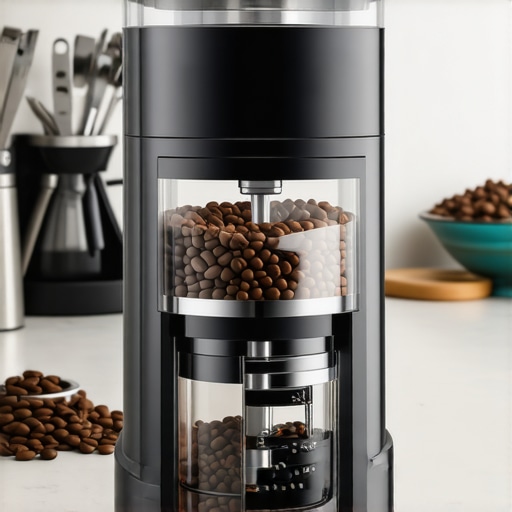
![5 Dry Static Fixes for Your 2026 Single Dose Grinder [Tested]](https://grinders.espressotechguide.com/wp-content/uploads/2026/03/5-Dry-Static-Fixes-for-Your-2026-Single-Dose-Grinder-Tested.jpeg)